
SSA identifies ten global sustainability trends reshaping African business strategy, from climate risks and disclosure convergence to biodiversity, tech-enabled solutions, and supply-chain resilience.

Nigeria's Financial Reporting Council holds company directors accountable for inaccurate sustainability and climate disclosures, urging governance improvements ahead of mandatory ISSB-aligned reporting.

EIB Global and AfDB commit $275 million to modernise Mauritania's 700-km Nouadhibou–Zouérate rail corridor, improving safety, capacity and export competitiveness.
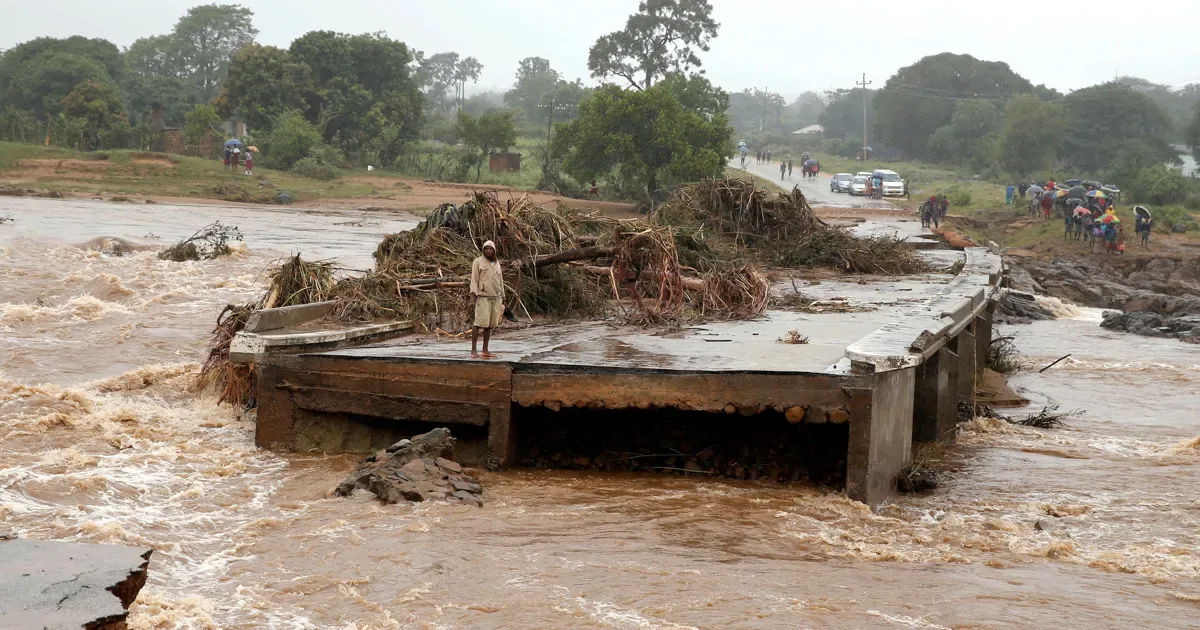
African leaders say promised global climate finance remains undelivered, exacerbating vulnerability and impeding adaptation, renewable energy expansion and disaster preparedness.

Panellists at the 2025 Africa Investment Forum warned Africa must close a $170bn-plus annual infrastructure and climate-finance gap to avoid stalled development.
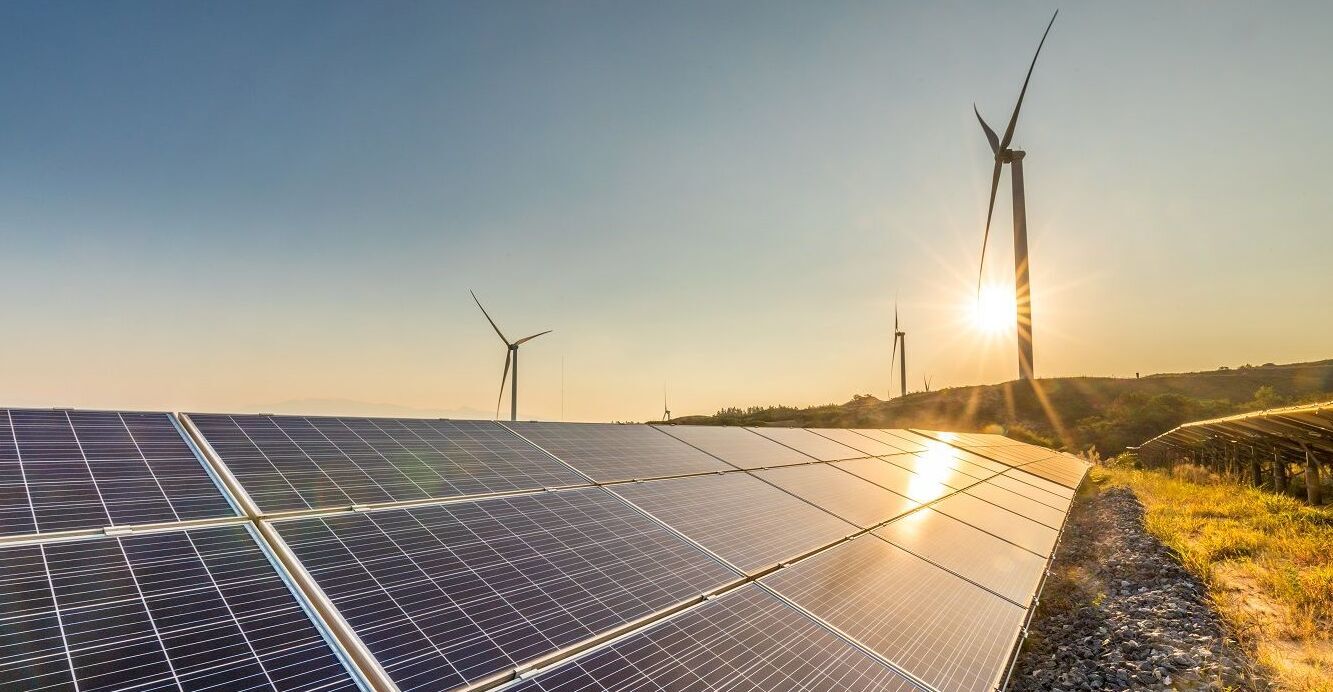
Twenty-nine African states pledged to electrify 300 million people by 2030, mobilising renewables, grid upgrades and finance to close Africa's power-access gap.
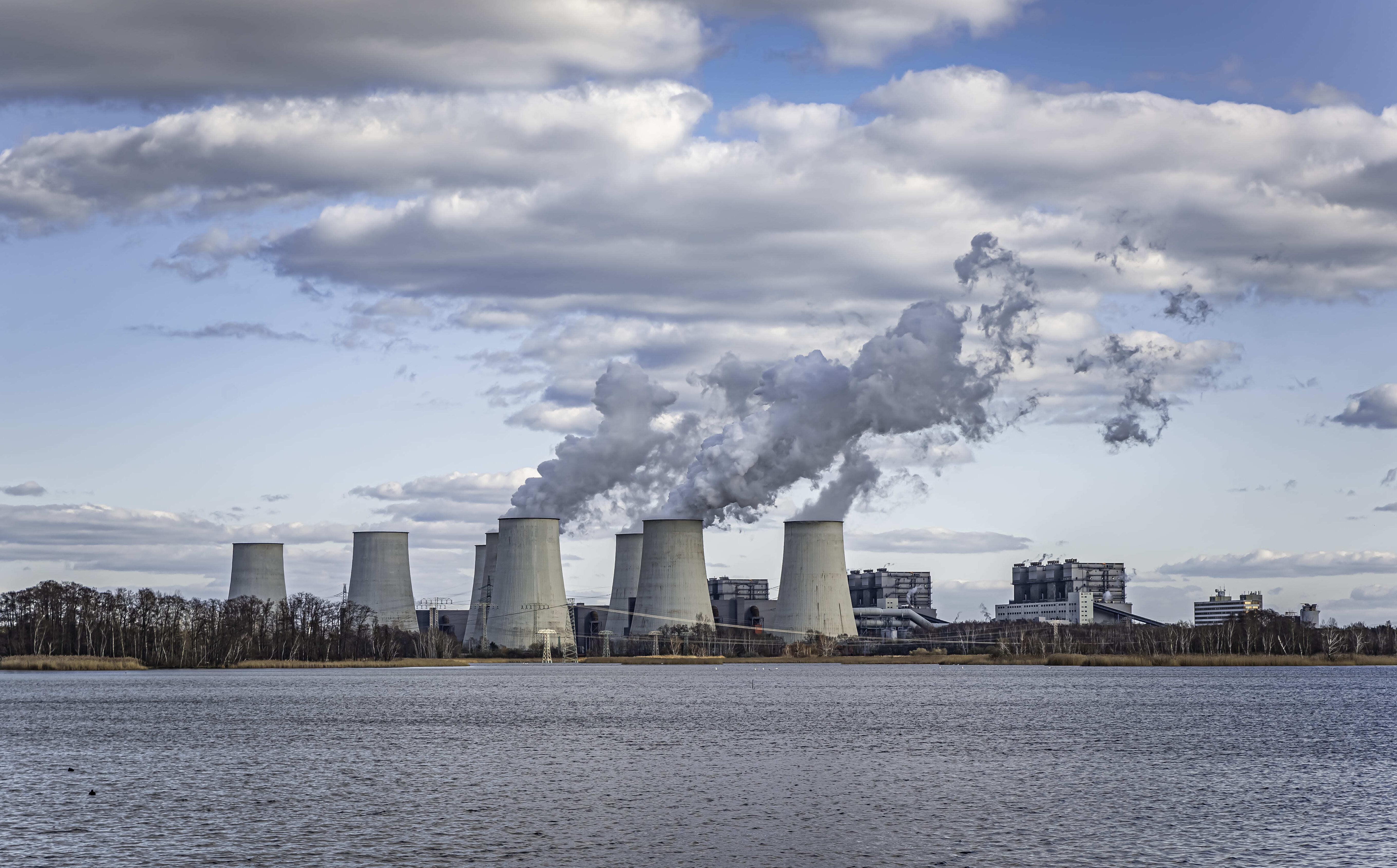
Nigeria is positioning nuclear energy as core to its ESG transition to provide low‑carbon baseload power, stabilise the grid, and attract sustainable finance.
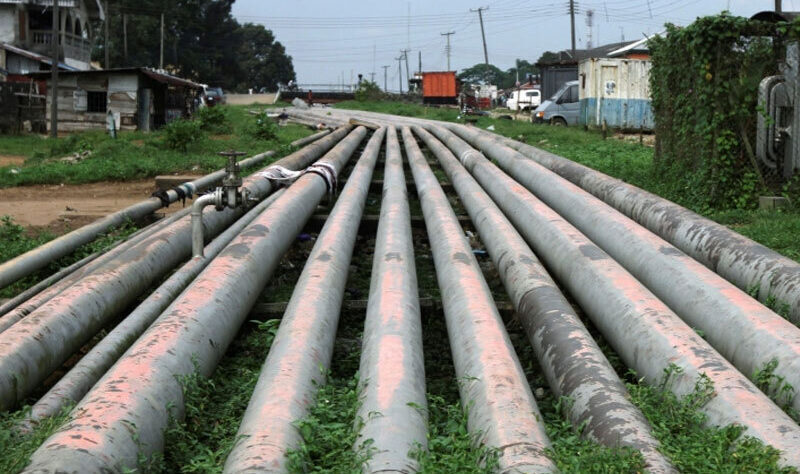
IEA praised Nigeria's Petroleum Industry Act reforms, endorsing NUPRC's transparent, rule-based upstream framework and urging enforcement to attract ESG-aligned investment.

Corporate Governance Institute identifies ten ESG trends—mandatory reporting to AI governance—that will reshape investor expectations and corporate strategy.

PenCom's revised guideline mandates INED minimums, formal diversity policies, tenure caps, mandatory external evaluations, and stricter ownership and compliance rules for Nigerian pension operators.

Africa's $5 billion film industry is being framed as a lever to mobilise private capital for healthcare, addressing a $66 billion annual financing gap.

Sustainable-debt issuance in Africa reached nearly $13 billion in 2024 but remains under 1% of the global total, highlighting a major financing shortfall.
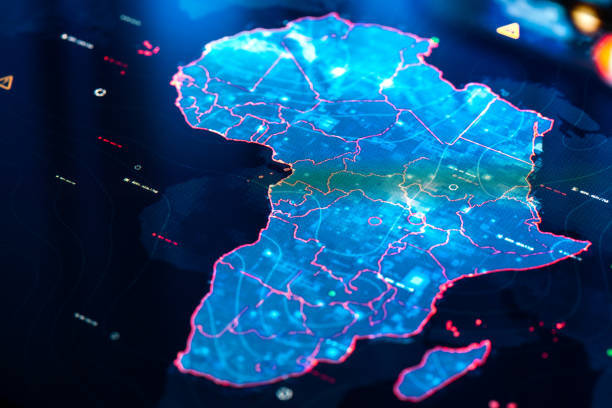
s&p global finds africa needs $130–170 billion annually in infrastructure; institutional reform and private-capital mobilisation are essential to close funding and execution gaps.

S&P Global finds Africa's blended-finance flows at US$6–15 billion versus over US$1 trillion needed, spotlighting structural barriers and ecosystem reforms to mobilise private capital.

S&P Global outlines innovative financing—sustainability-linked bonds, blended finance—to bridge Africa's renewables funding gap, contingent on policy, risk-mitigation and institutional reforms.
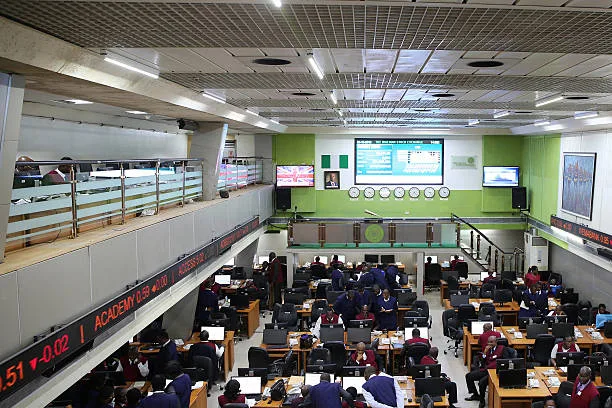
S&P Global reports MLIs are expanding African capital markets via loans, guarantees and technical assistance, but regulatory, scale and private-sector gaps require systemic reforms.

Global report finds 91% of market capitalisation discloses climate data but only 26% report meaningful human-rights information, exposing supply-chain transparency gaps.
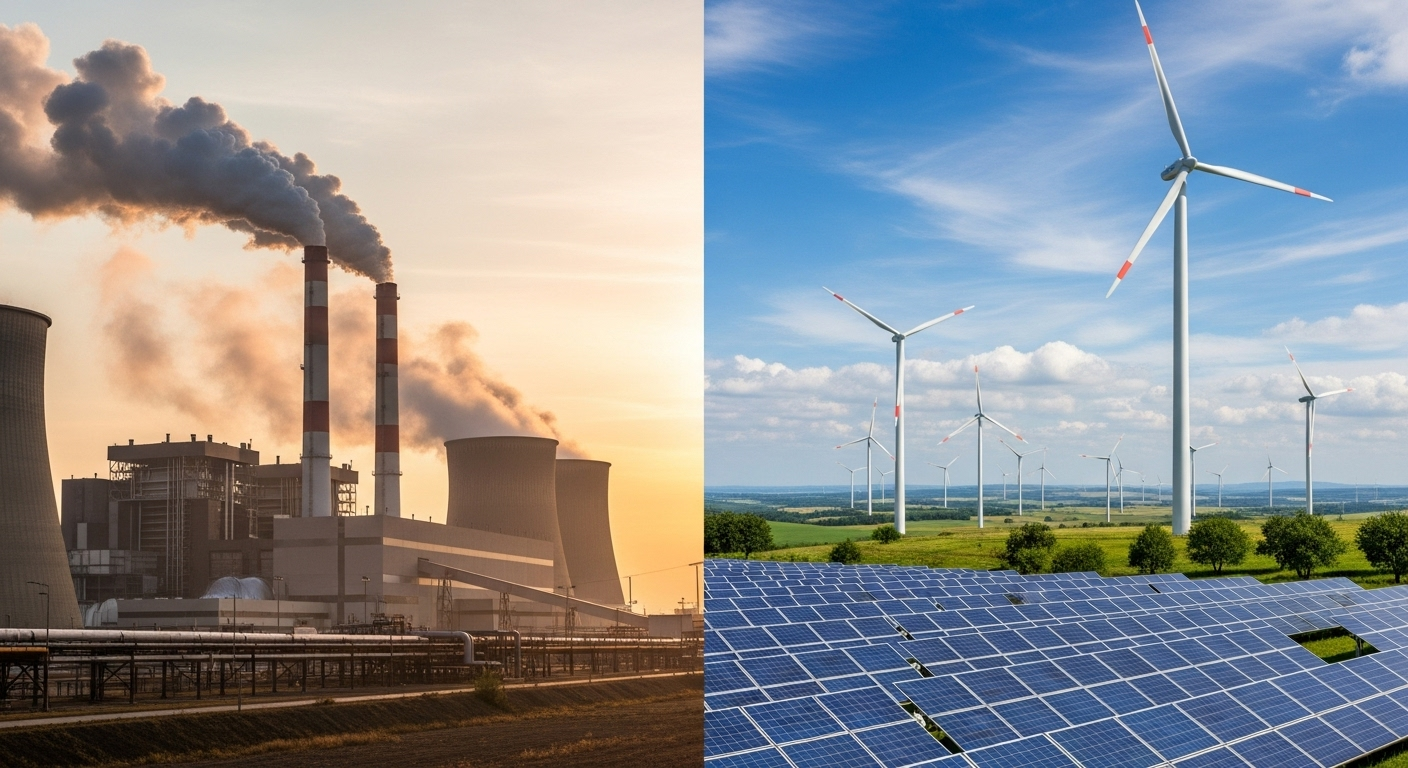
Institutional investors continue to hold large stakes in high-emitting sectors, limiting capital flows to low-carbon innovators and slowing the climate transition.

Climate-vulnerable households and SMEs face exclusion from green finance, increasing systemic risk and prompting World Bank guidance for inclusive regulatory approaches.
SSA identifies ten global sustainability trends reshaping African business strategy, from climate risks and disclosure convergence to biodiversity, tech-enabled solutions, and supply-chain resilience.

IPSF's 2025 report shows taxonomy interoperability, transition finance and biodiversity rules reshaping markets; African governments must align regulations to secure capital and competitiveness.
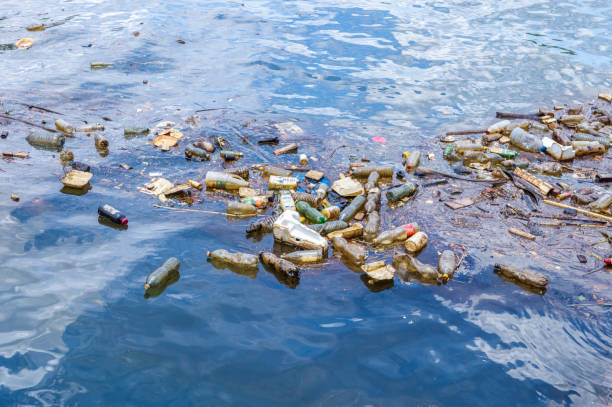
Sediment analyses show nickel, cadmium, lead, vanadium, manganese and iron in Sapele River exceed WHO limits, indicating industrial pollution and community exposure risks.
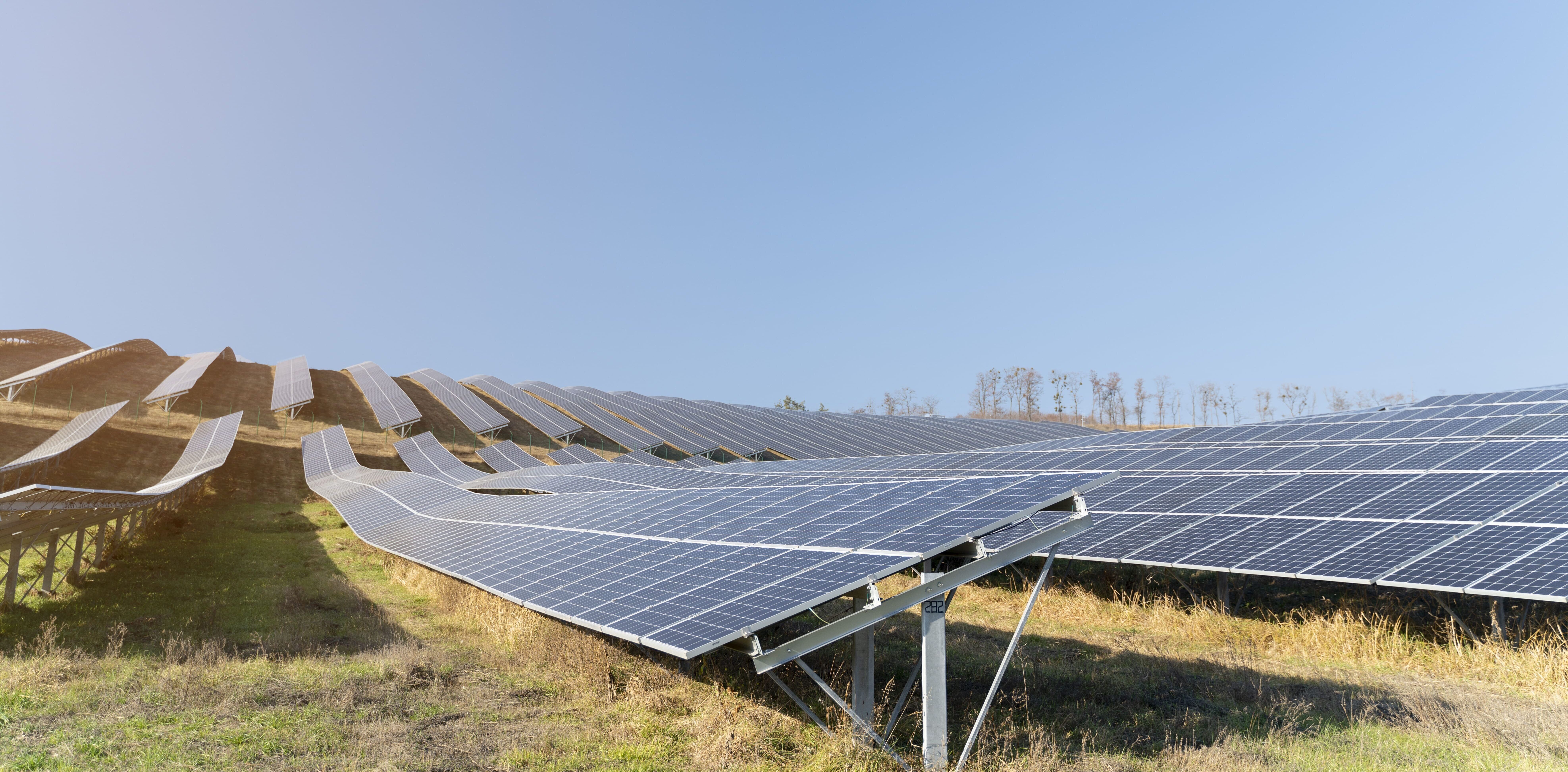
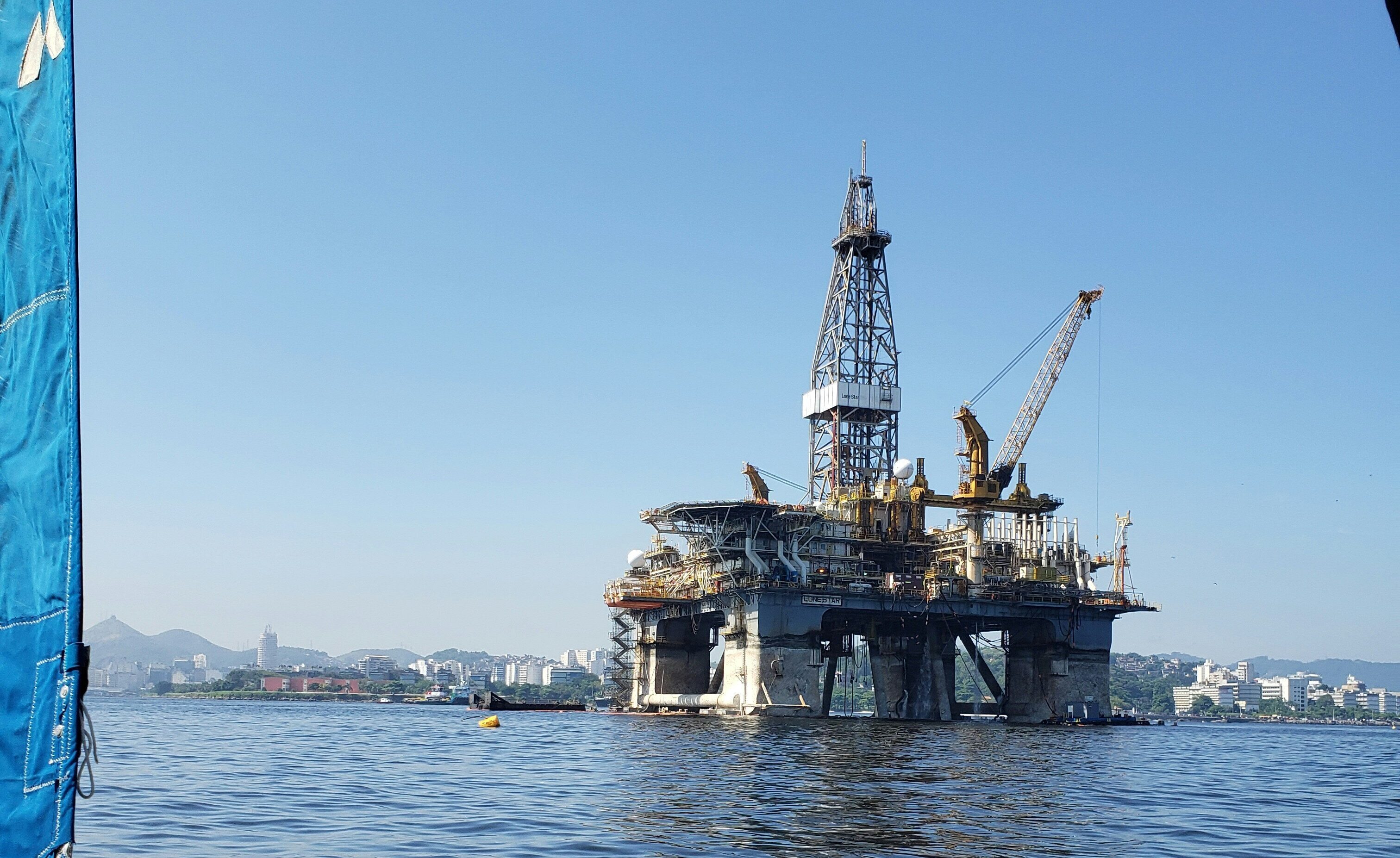
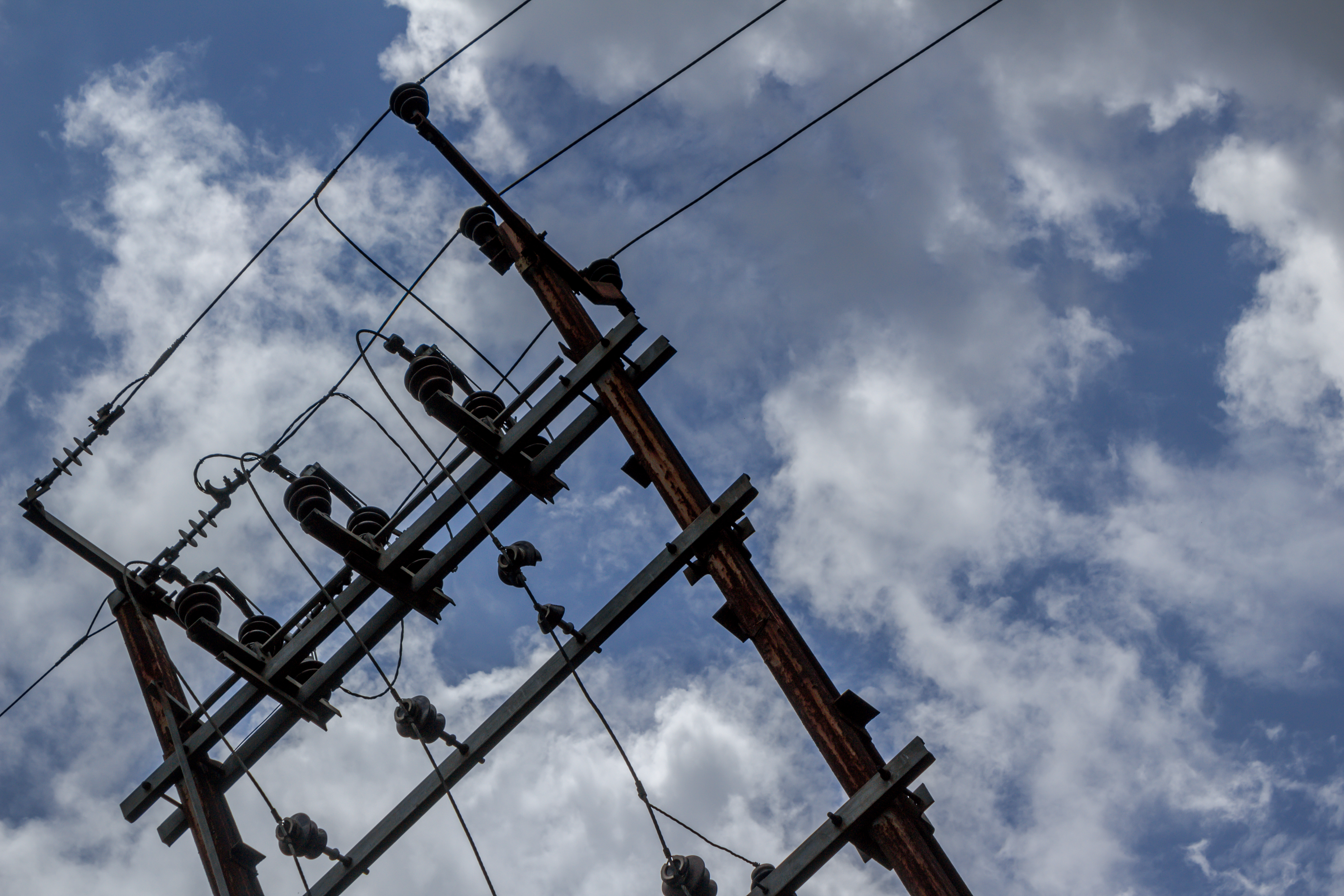
Nigeria's electricity system endures chronic outages despite hydrocarbon wealth, demanding strategic reforms in grid, regulation and investment to secure reliable, inclusive, climate-aligned power.

The Future Action Summit (FAS) Thailand 2025, organized by the global youth-led organization Echo Change, is a four-day international summit distinct from the UN's "Summit of the Future" that convened in September 2024. FAS Thailand is specifically designed as a launchpad for youth-led action, driving tangible progress towards the United Nations Sustainable Development Goals (SDGs).
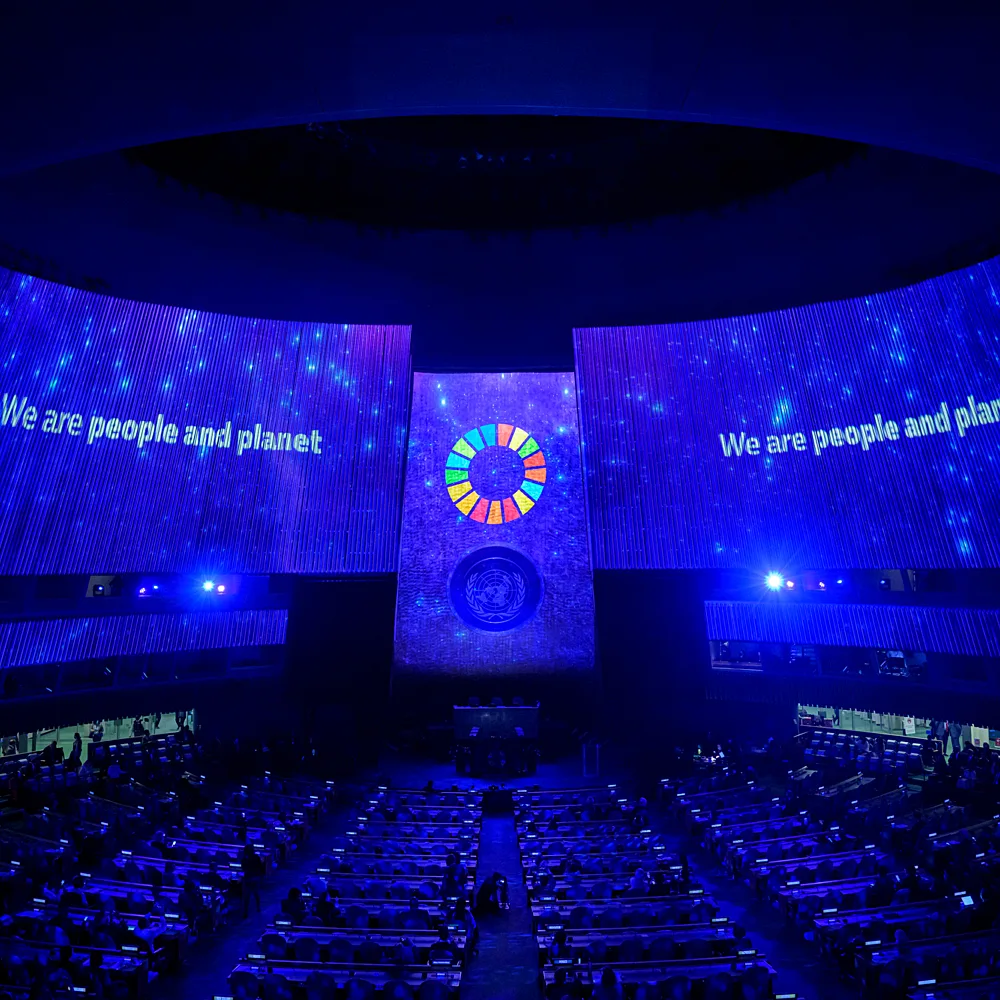
New York City hosts the UNGA High-Level Week and Global Goals Week, bringing together world leaders, civil society, business, academia, and youth with a unified focus on accelerating progress towards the Sustainable Development Goals (SDGs) and fostering a more sustainable future.

ICSD 2025 brings together global experts to align research, policy, and practice around key SDGs. Focused on interdisciplinary solutions, with emphasis on education and capacity and building for sustainable progress by 2030.
The largest global climate convening of the year, aligning with UNGA 80 and Global Goals Week to accelerate climate solutions through over 900 events; with an am of shifting climate discourse from problem awareness to practical implementation, emphasising economic opportunity, innovation, and cross-sector collaboration.
A quadrennial global gathering of conservation leaders, policy‑makers, Indigenous Peoples, and innovators, convening to shape the global nature agenda through bold themes, science, equity, and collective action.
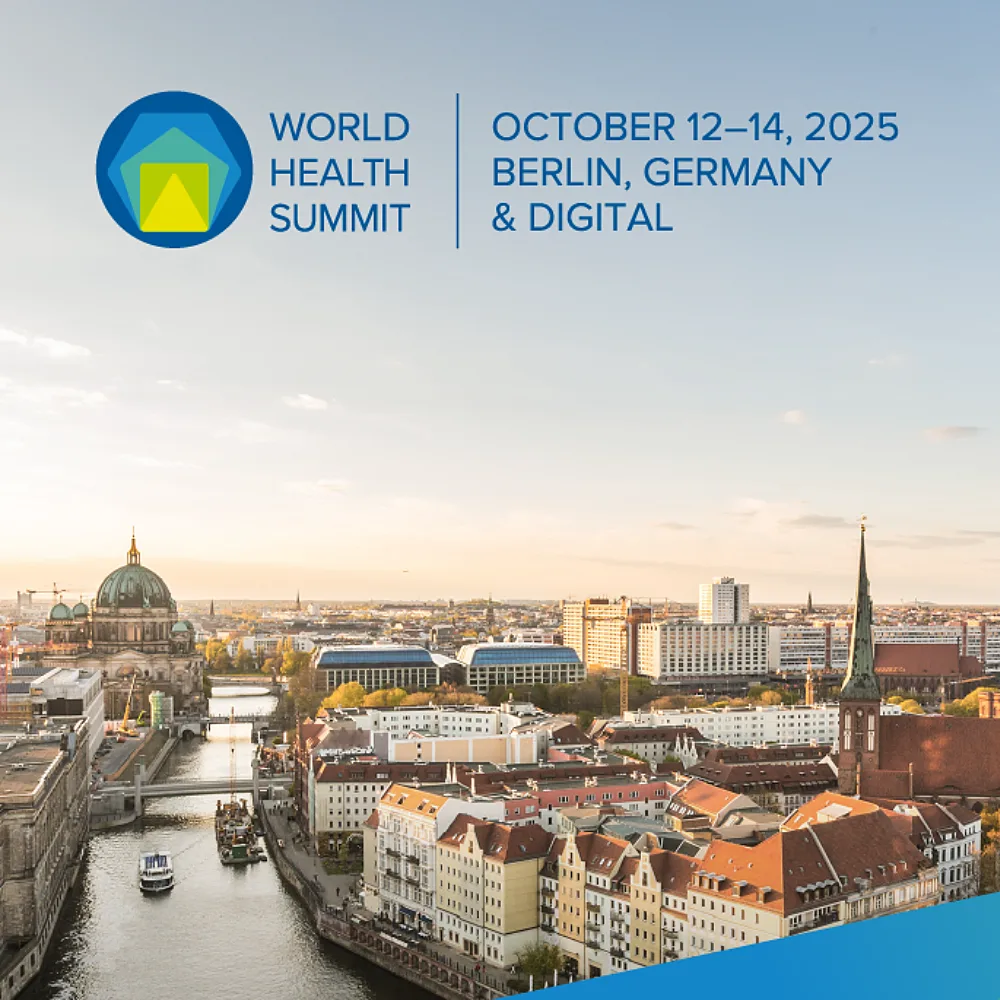
A premier annual gathering in Berlin, bringing together global leaders across politics, science, business, and civil society to shape the future of health under the theme “Taking Responsibility for Health in a Fragmenting World.”

A dynamic one-day festival uniting global innovators and leaders in Vienna to showcase and accelerate climate‑tech solutions—from startups to researchers—culminating in the Climate Launchpad 2025 Global Grand Final.
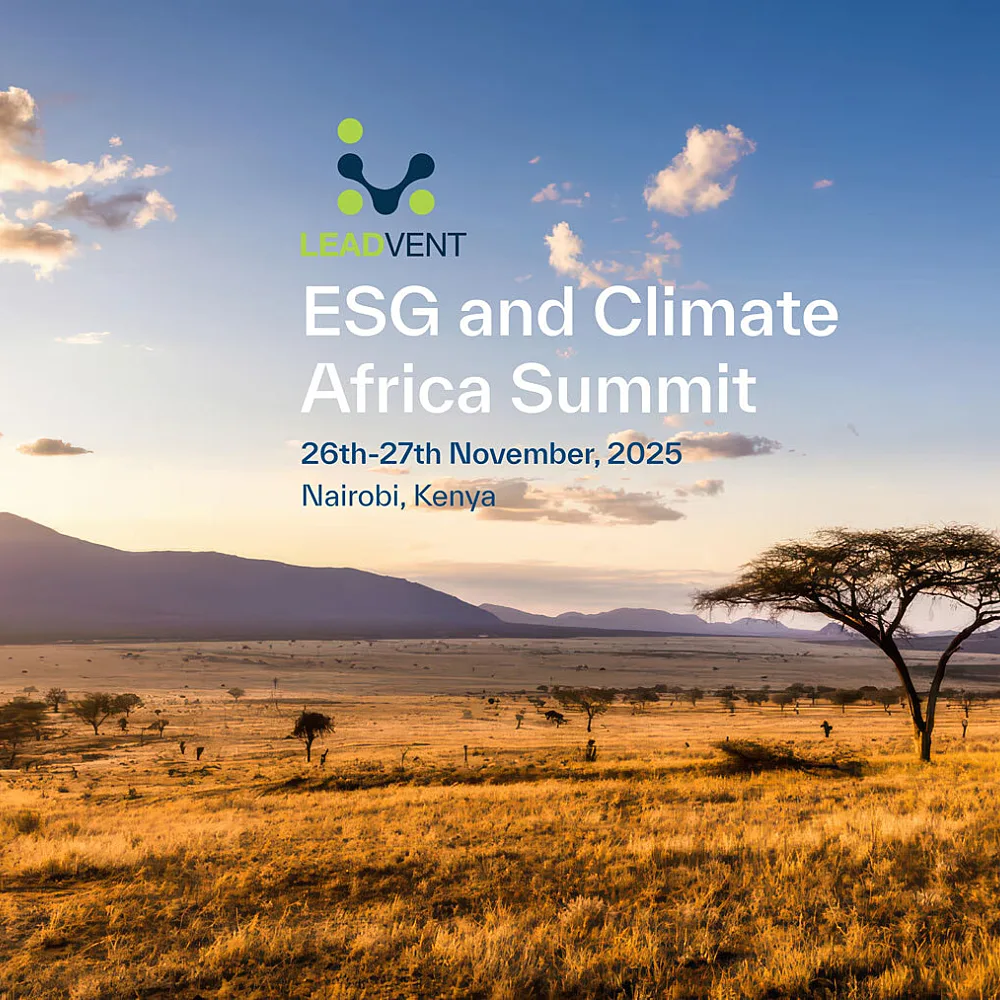
Bringing together Africa’s sustainability ecosystem. This hybrid gathering is tailored for policymakers, investors, corporate leaders, and NGOs, focusing on ESG frameworks, climate finance, and sustainable innovation to drive Africa’s green transition.
Summary and evidence-based insights into corporate, government, and organisational sustainability disclosures across Africa, highlighting achievements, uncovering gaps, and spotlight opportunities for progress.