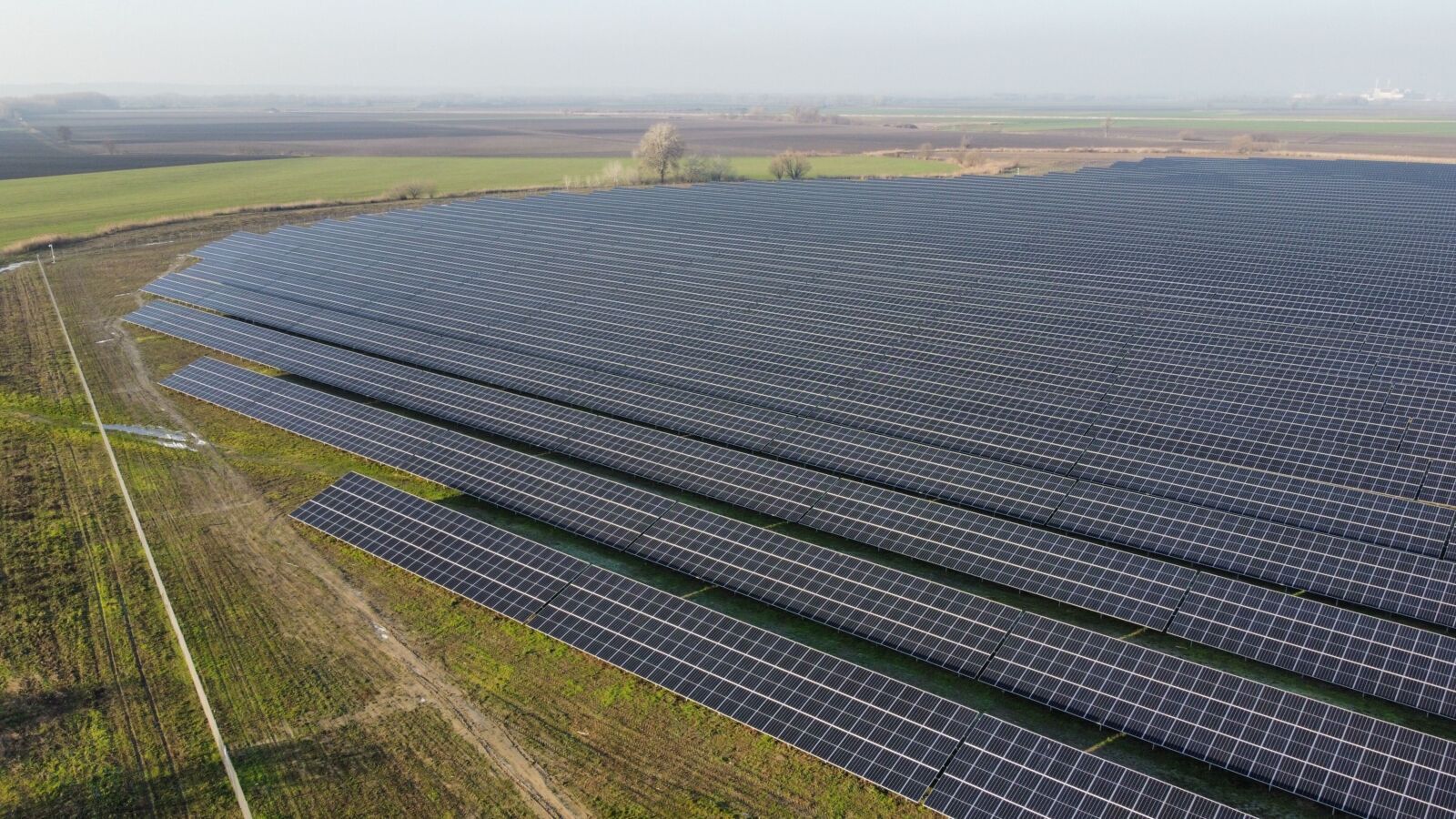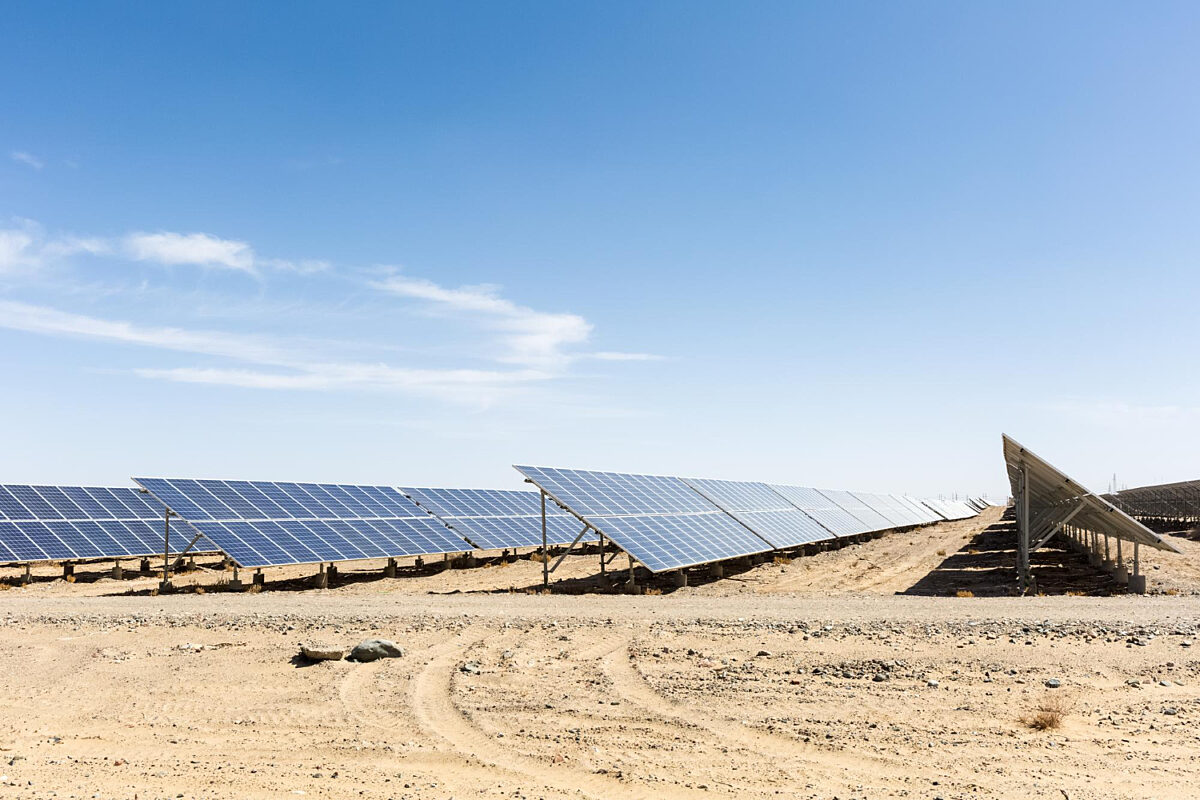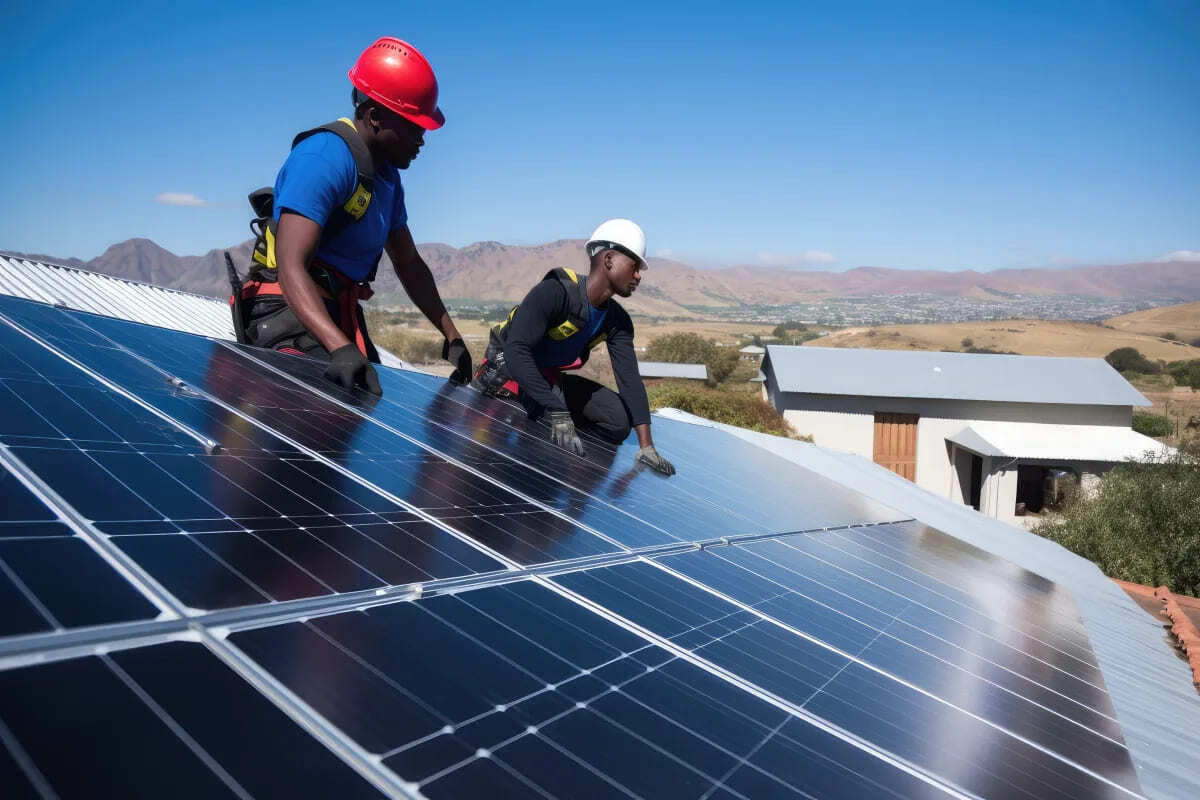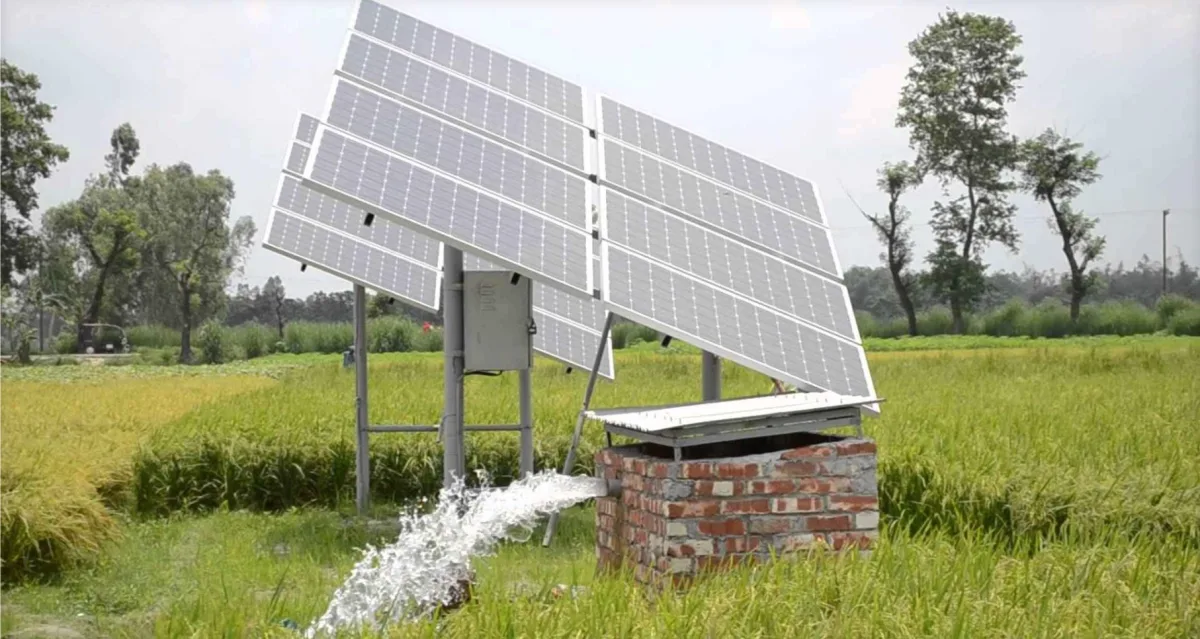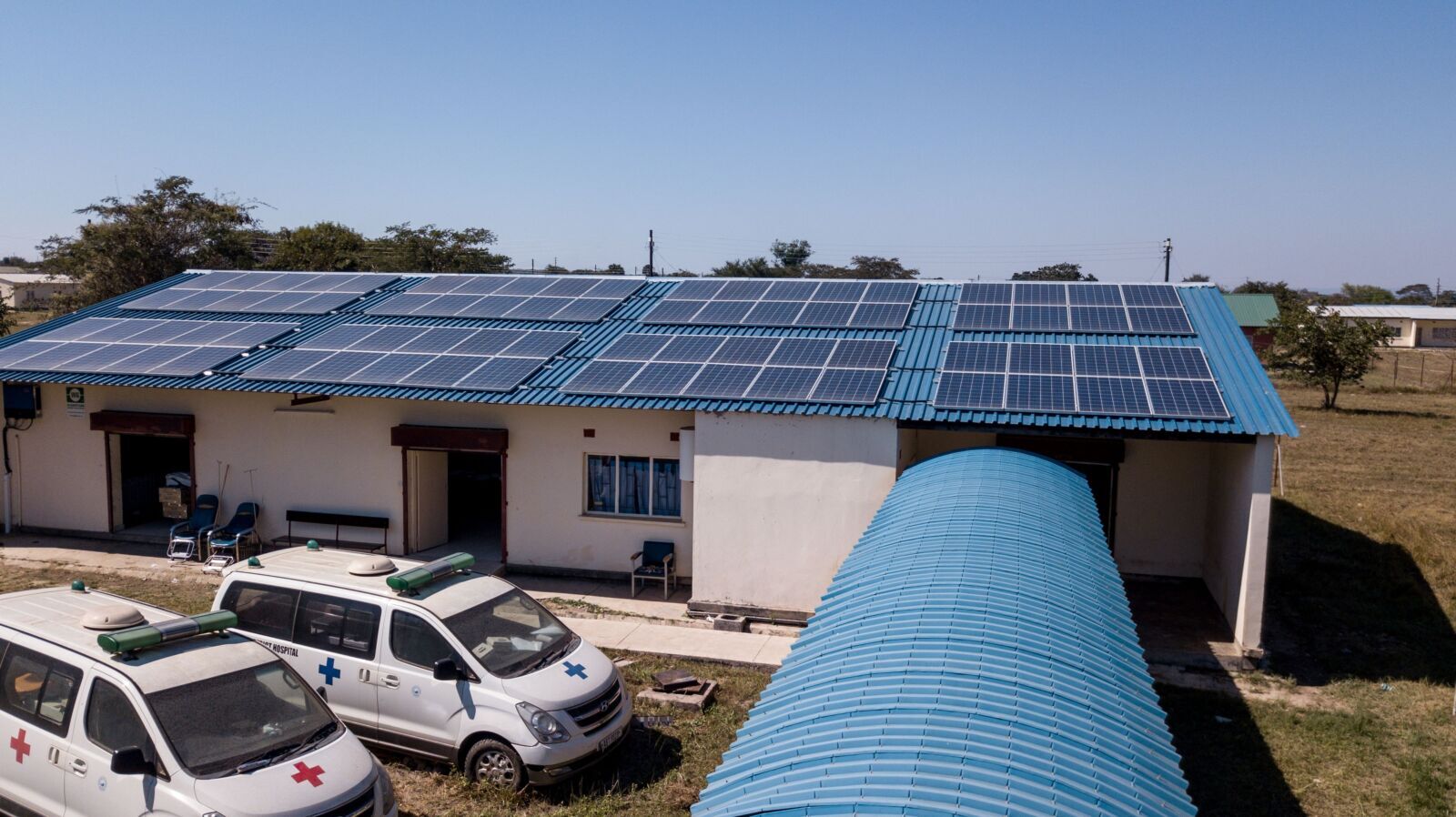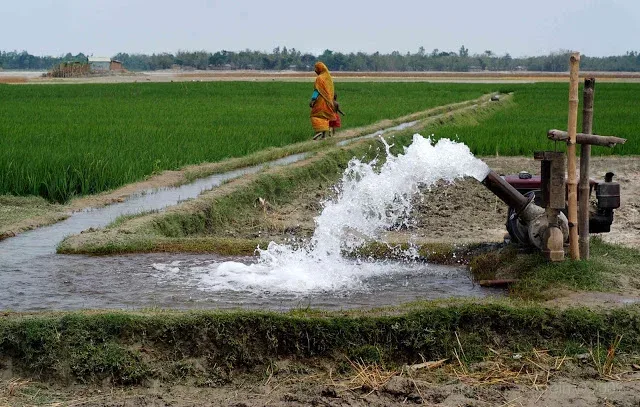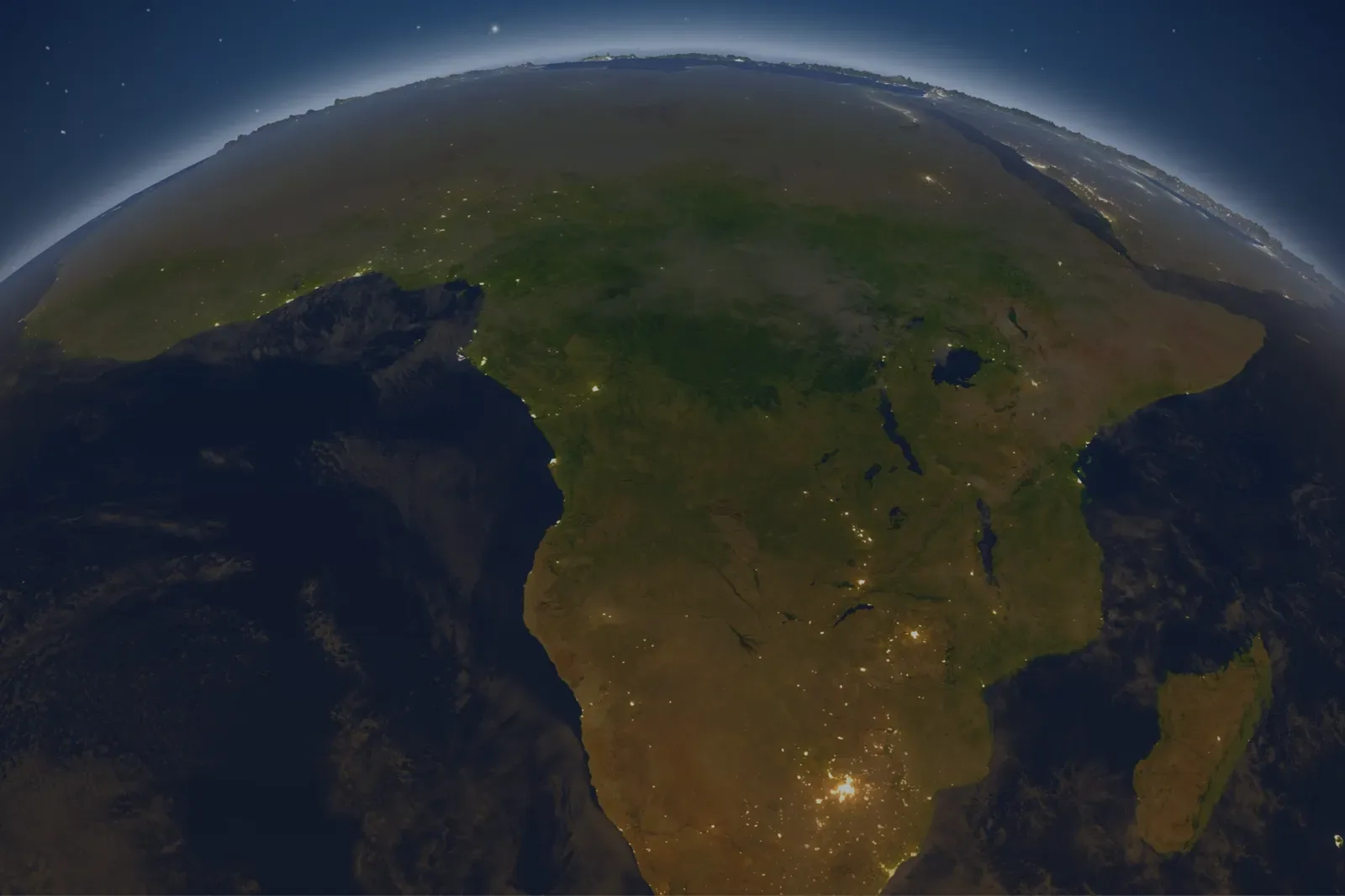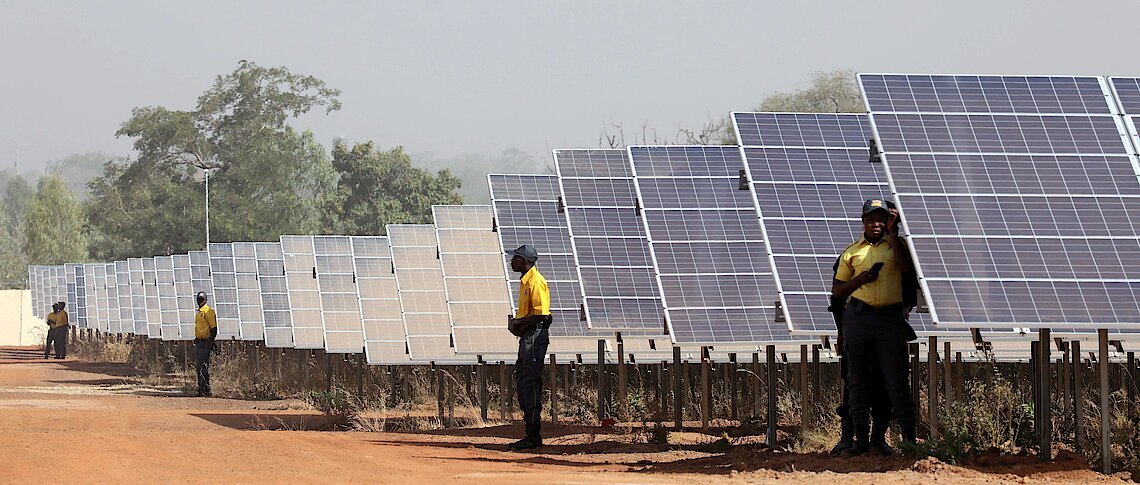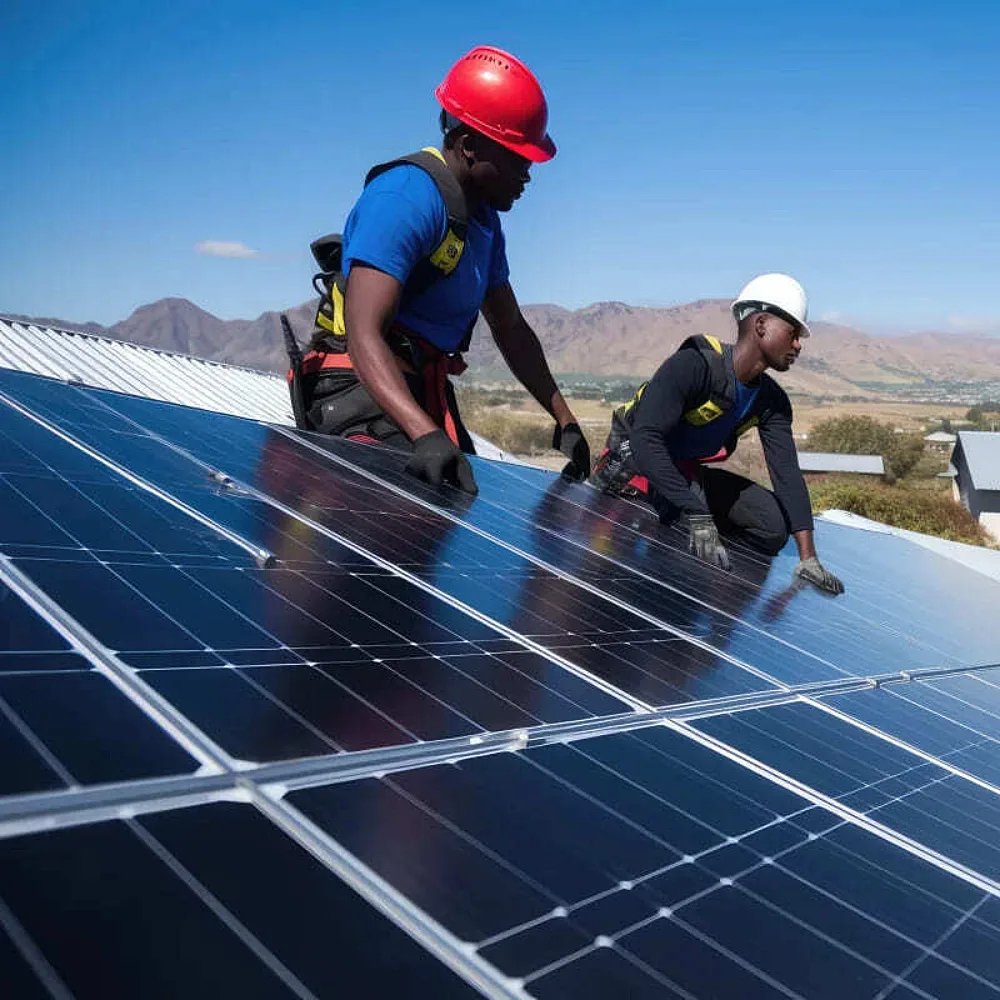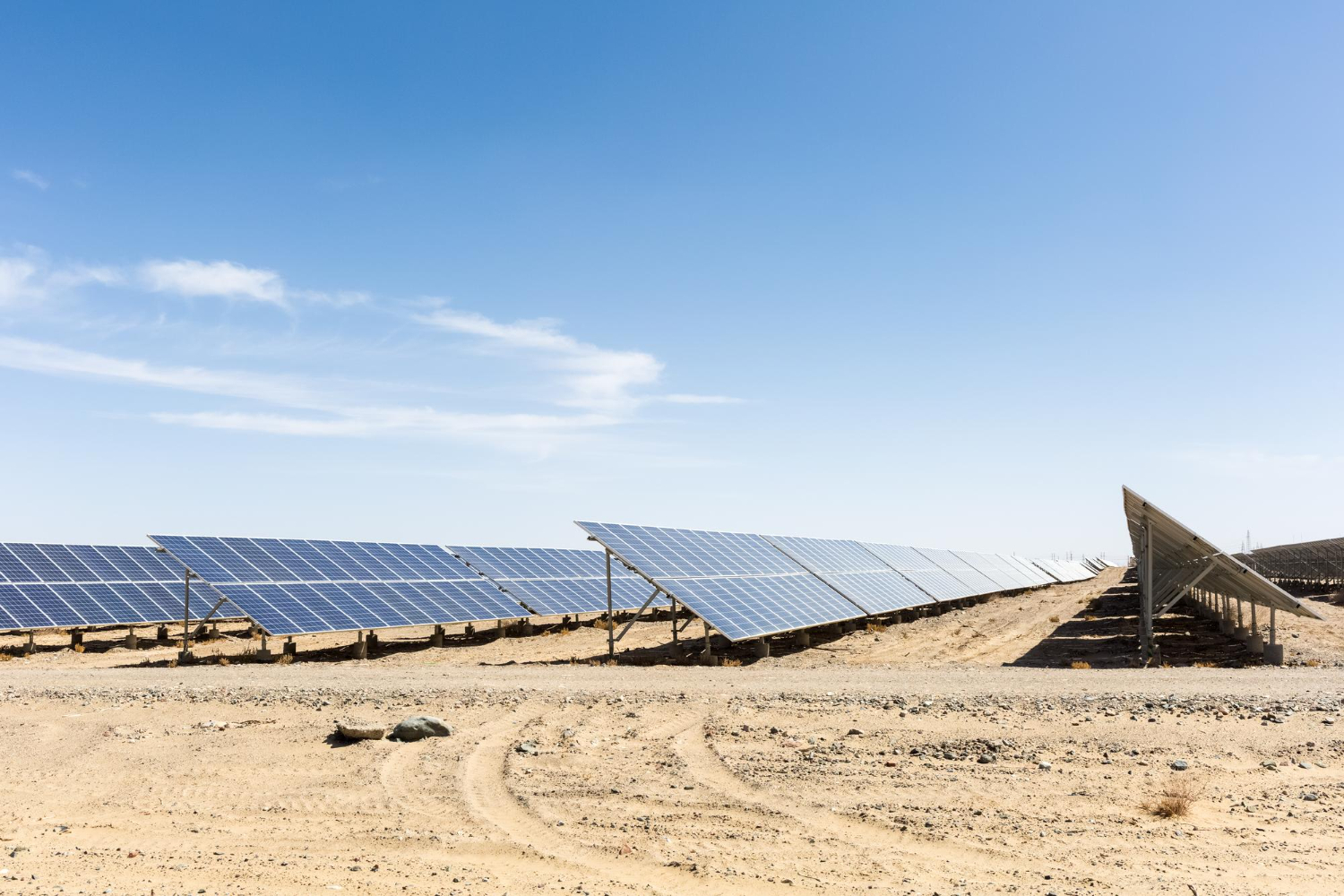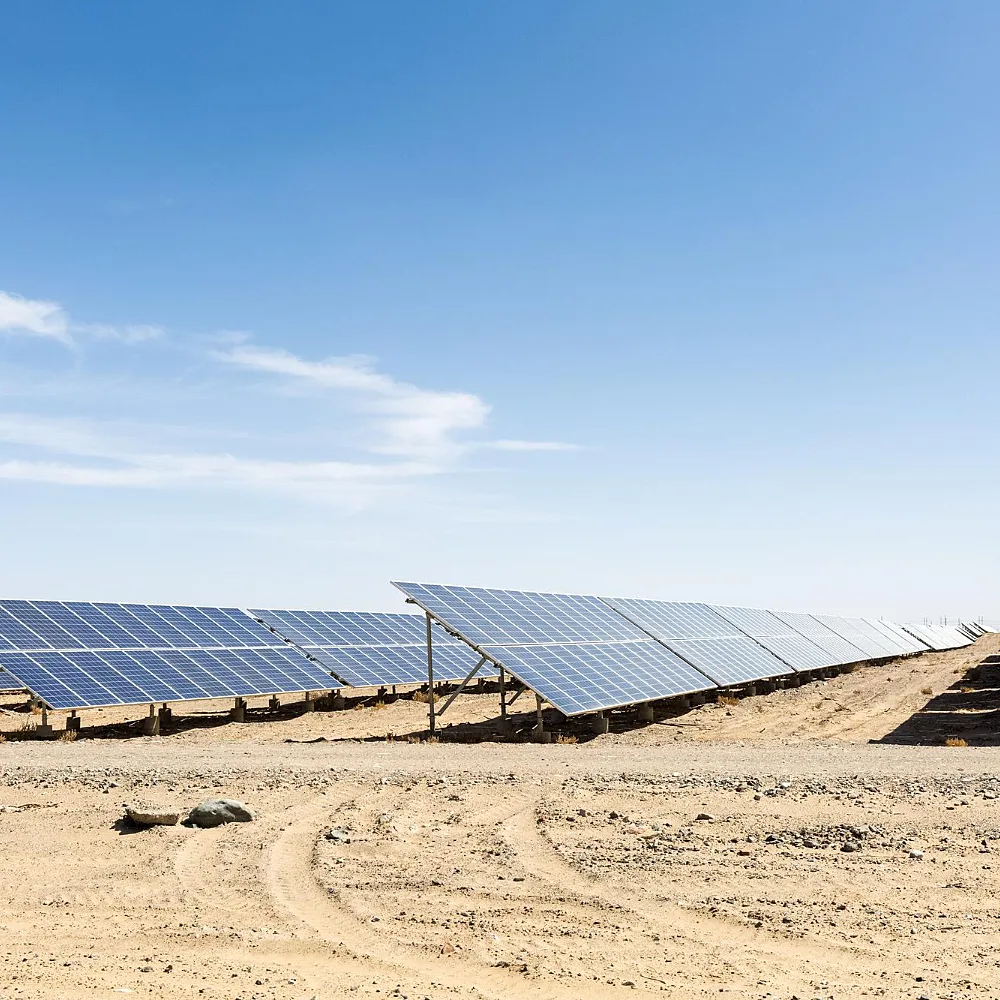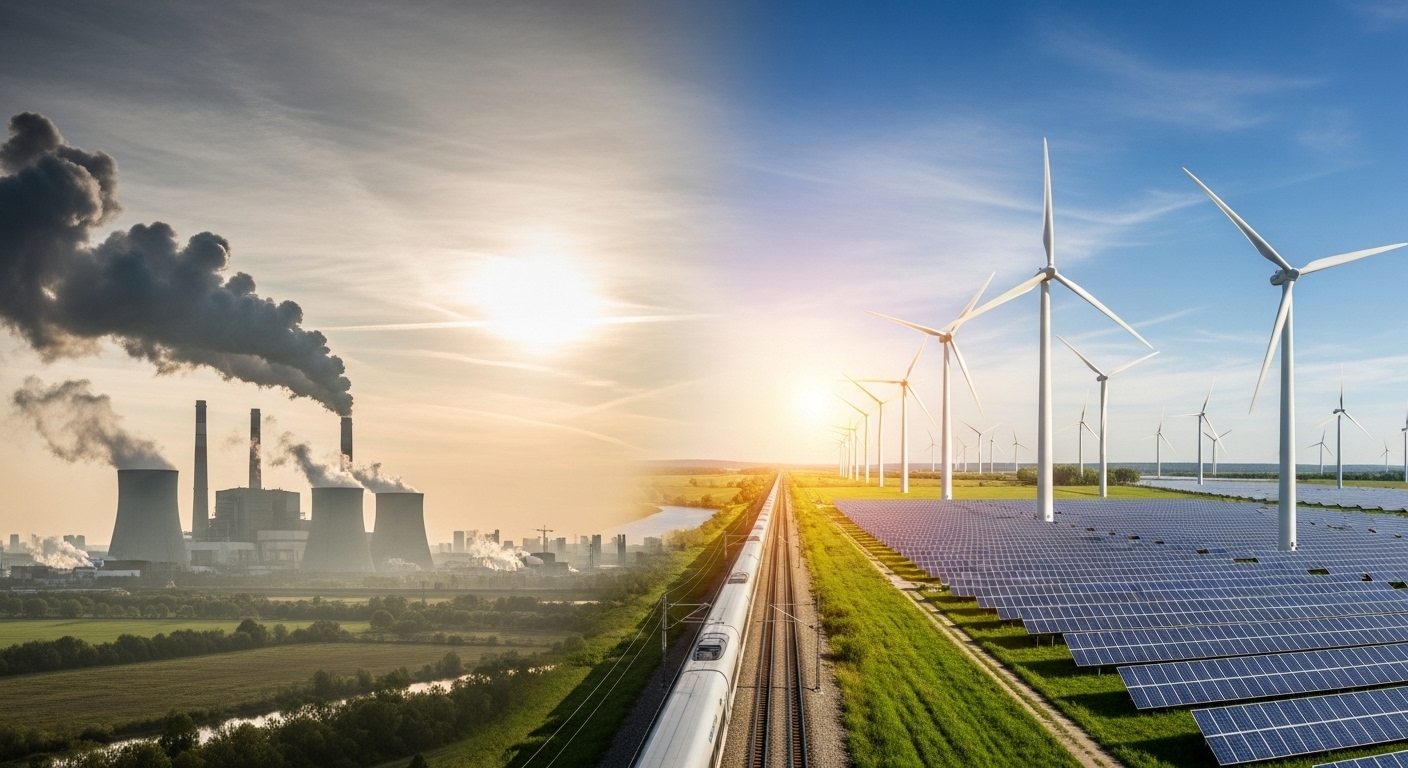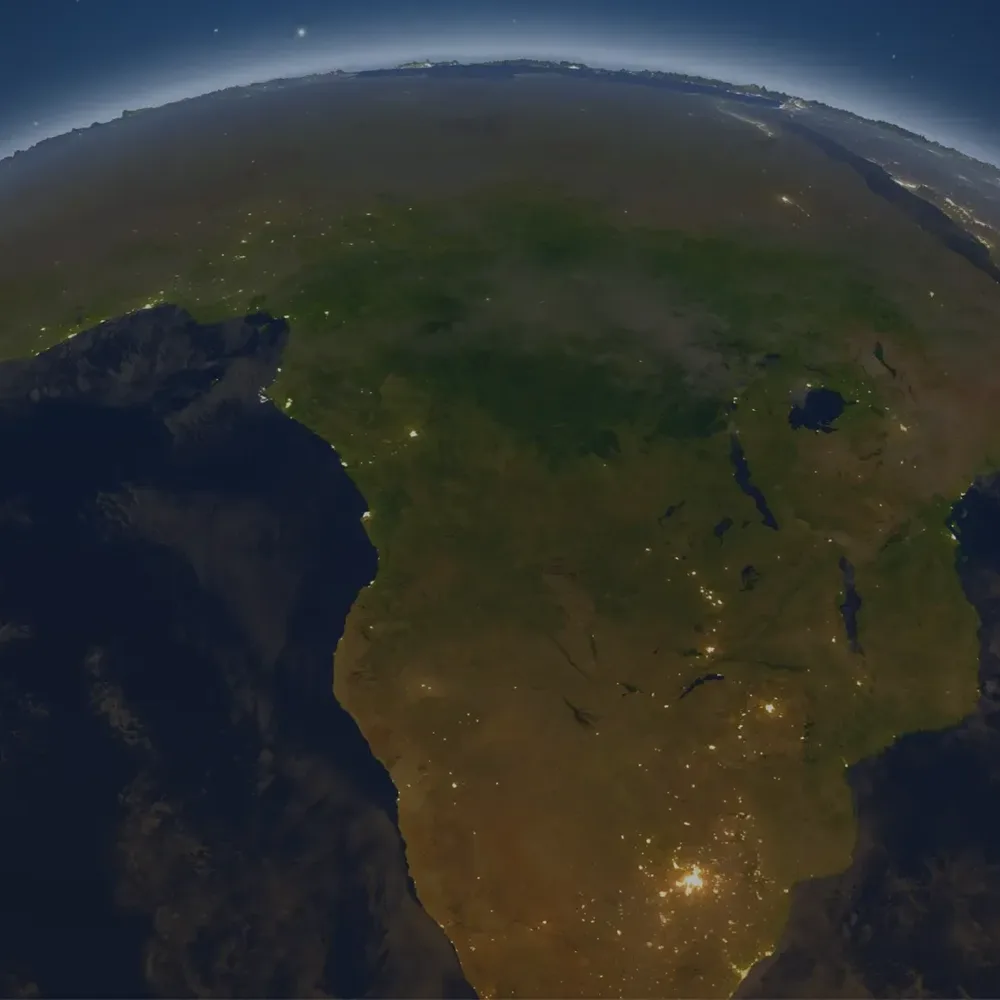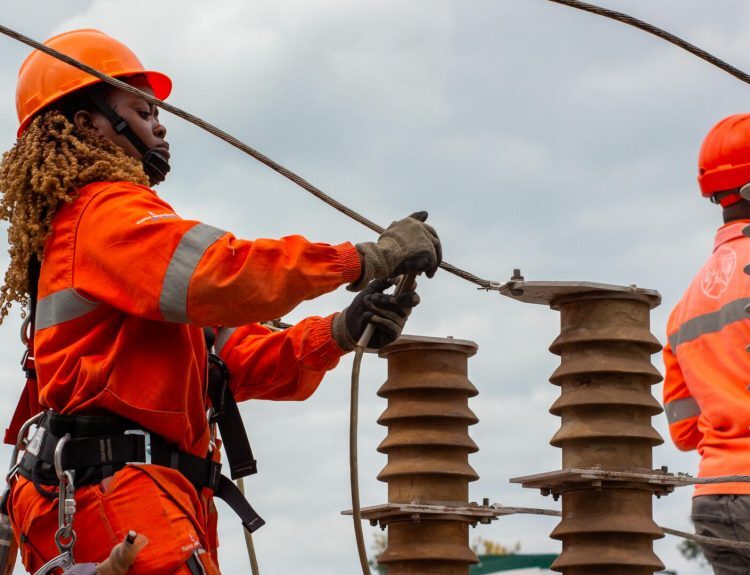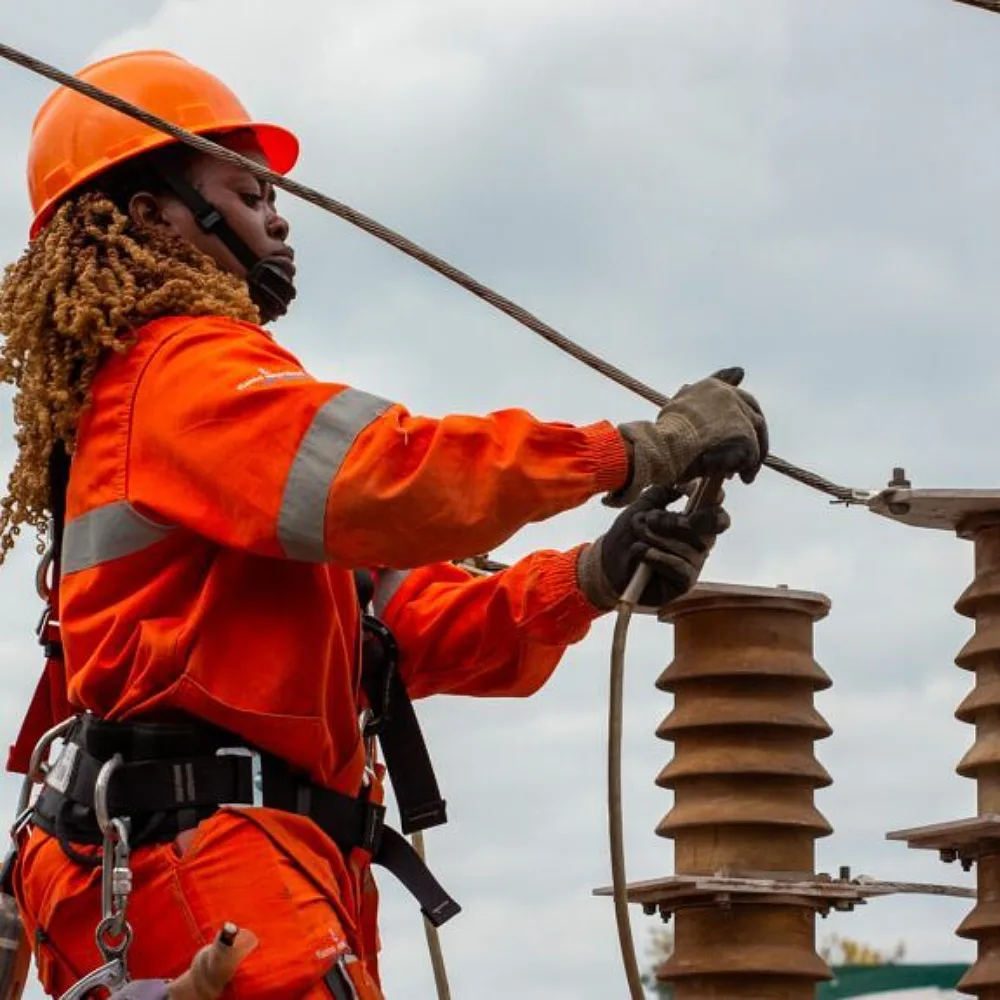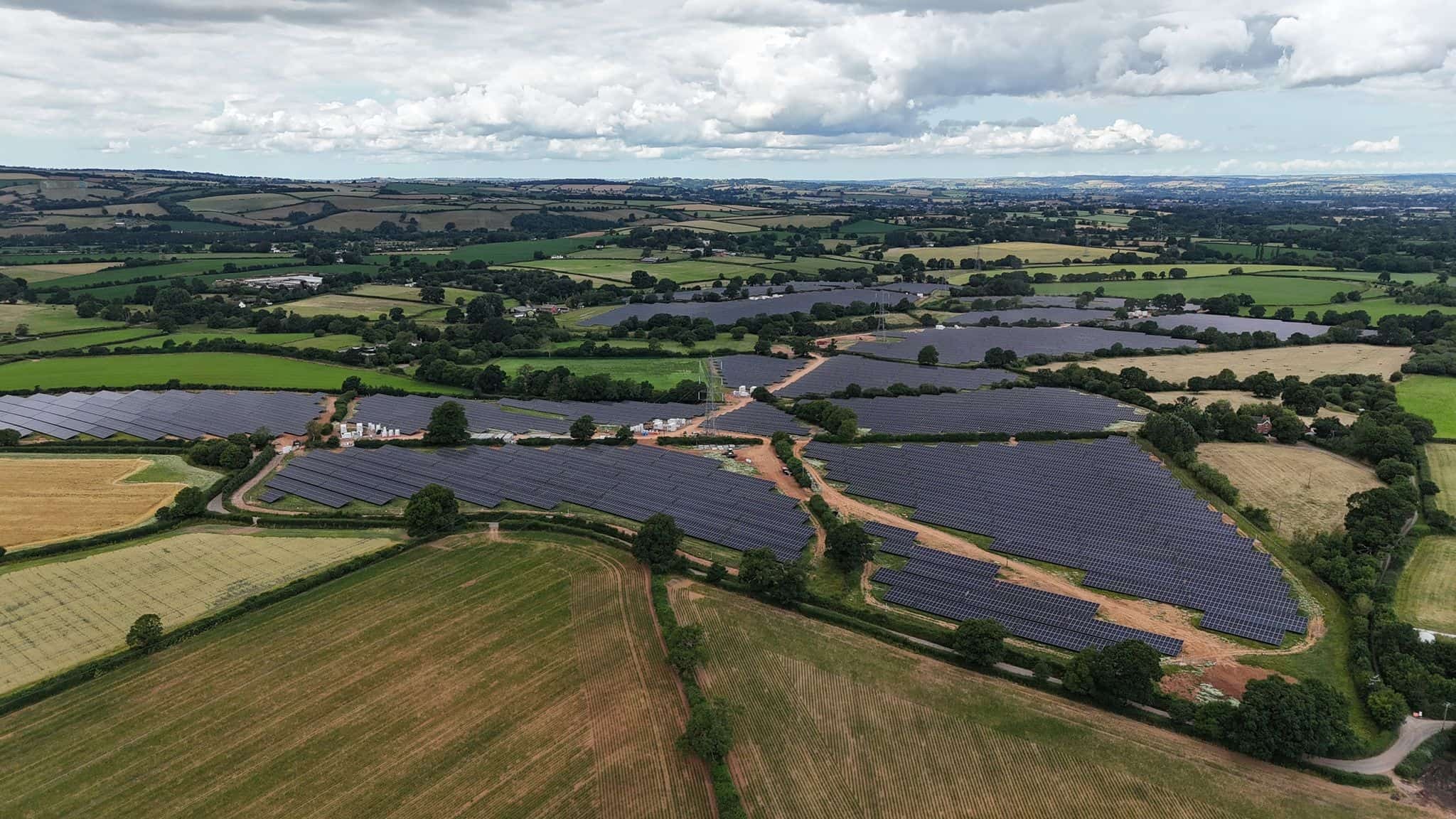
Africa added just 13GW in 2024, but abundant resources and rising demand make it a high-return frontier requiring finance, grids, and policy.
Nigeria's oil and gas companies are improving governance disclosures through sustainability reporting, while environmental reporting and investment remain limited, risking capital access.
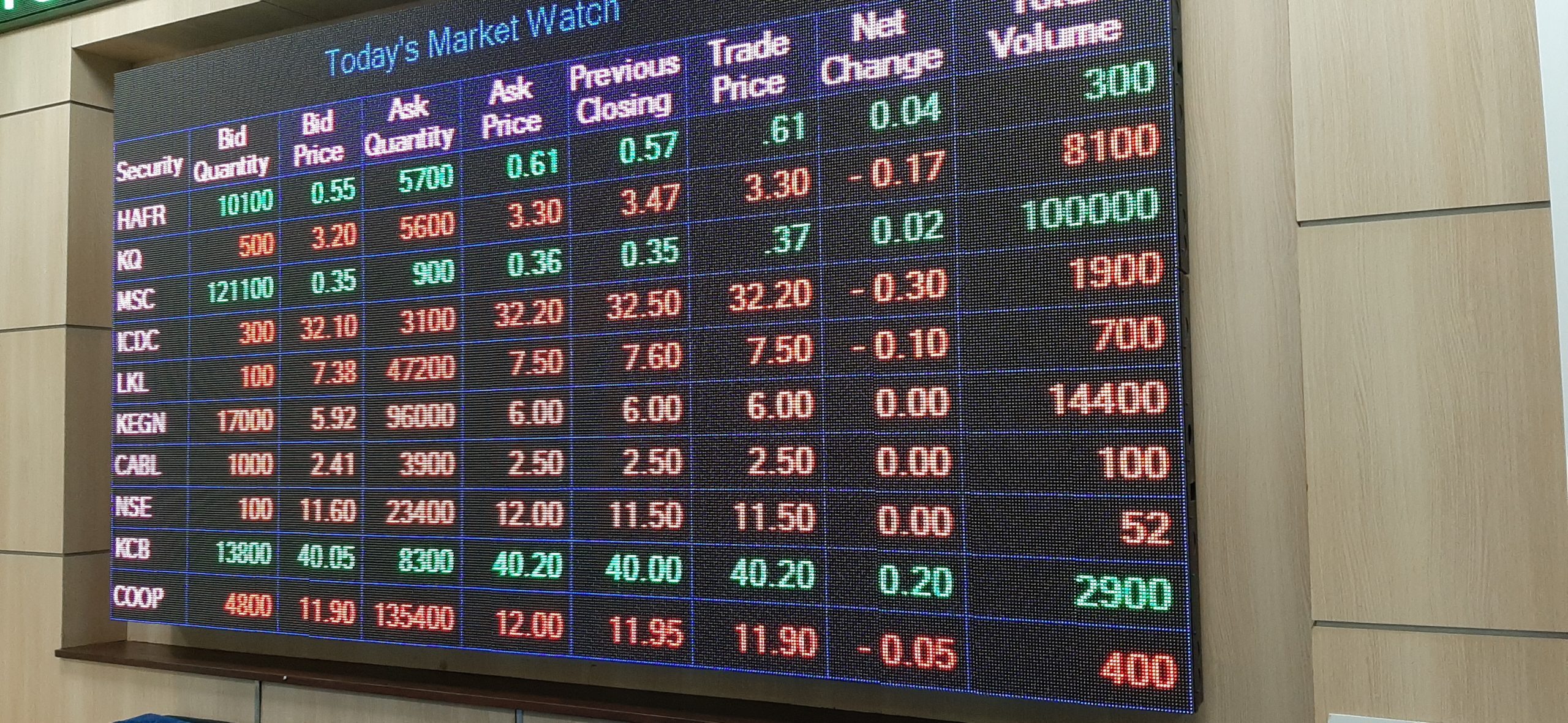
91% of global market capitalisation discloses sustainability data, yet scope 3, assurance, and regional disclosure quality remain uneven and fragmented.
A panel in Lagos reframed 'soft life' as intentional balance, urging men to prioritise wellbeing, systems and financial discipline to reduce burnout.
Industry leaders promoted Triple G — Groom, Grow, Grind — urging men to build habits, skills and accountability amid mental-health and career challenges.
Osun State analysis shows Nigeria's SDG 11 progress stalled by weak governance, underfunding, corruption and fragmented planning, jeopardising urban services and resilience.
African women build community monitoring, legal challenges and gender‑transformative finance demands to reclaim data, accountability and reshape climate finance governance.
African firms are correcting common ESG errors—weak data, sidelined social issues, and limited board oversight—to convert compliance into measurable business value.
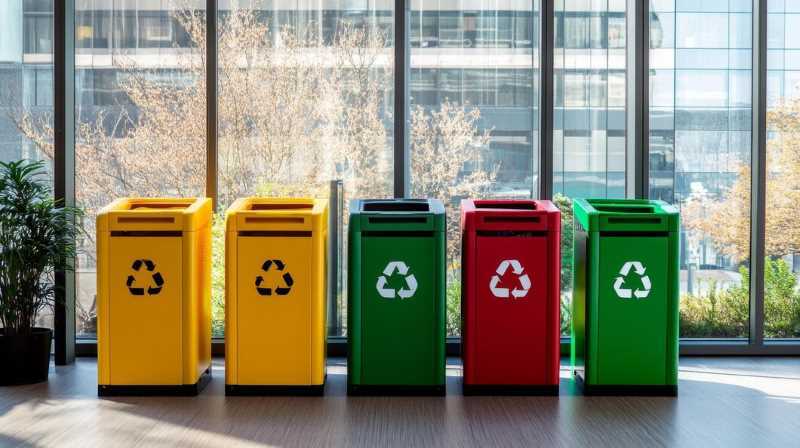
Sahara Group Foundation opened a solar-powered Go-Recycling Hub in Lekki, using reverse vending and digital payouts to boost recycling and livelihoods.
Experts urge a national sustainability communication standard to harmonise government, corporate and media messaging to boost investor confidence and public accountability.
91% of global market capitalisation discloses sustainability data, yet scope 3, assurance, and regional disclosure quality remain uneven and fragmented.

A panel in Lagos reframed 'soft life' as intentional balance, urging men to prioritise wellbeing, systems and financial discipline to reduce burnout.

Industry leaders promoted Triple G — Groom, Grow, Grind — urging men to build habits, skills and accountability amid mental-health and career challenges.

Osun State analysis shows Nigeria's SDG 11 progress stalled by weak governance, underfunding, corruption and fragmented planning, jeopardising urban services and resilience.

African women build community monitoring, legal challenges and gender‑transformative finance demands to reclaim data, accountability and reshape climate finance governance.

African firms are correcting common ESG errors—weak data, sidelined social issues, and limited board oversight—to convert compliance into measurable business value.

Sahara Group Foundation opened a solar-powered Go-Recycling Hub in Lekki, using reverse vending and digital payouts to boost recycling and livelihoods.

Experts urge a national sustainability communication standard to harmonise government, corporate and media messaging to boost investor confidence and public accountability.

African firms lag in ESG disclosure and capacity, risking exclusion from capital markets; coordinated action by businesses, regulators and investors can unlock investment, resilience.

International climate finance to Africa increased, but gaps persist; countries need governance, strategy and local delivery systems to translate capital into resilient infrastructure.

African exchanges launching dedicated 'Green Exchange Window' to list green, social and sustainability-linked securities, attracting institutional ESG capital and financing infrastructure.

Ten Nigerian companies produced consecutive sustainability reports (2022–24), aligning disclosures with global standards to meet investor demands and drive ESG transparency and market trust.
91% of global market capitalisation discloses sustainability data, yet scope 3, assurance, and regional disclosure quality remain uneven and fragmented.

A panel in Lagos reframed 'soft life' as intentional balance, urging men to prioritise wellbeing, systems and financial discipline to reduce burnout.

Industry leaders promoted Triple G — Groom, Grow, Grind — urging men to build habits, skills and accountability amid mental-health and career challenges.

Osun State analysis shows Nigeria's SDG 11 progress stalled by weak governance, underfunding, corruption and fragmented planning, jeopardising urban services and resilience.

African women build community monitoring, legal challenges and gender‑transformative finance demands to reclaim data, accountability and reshape climate finance governance.

African firms are correcting common ESG errors—weak data, sidelined social issues, and limited board oversight—to convert compliance into measurable business value.

Sahara Group Foundation opened a solar-powered Go-Recycling Hub in Lekki, using reverse vending and digital payouts to boost recycling and livelihoods.

Experts urge a national sustainability communication standard to harmonise government, corporate and media messaging to boost investor confidence and public accountability.

African firms lag in ESG disclosure and capacity, risking exclusion from capital markets; coordinated action by businesses, regulators and investors can unlock investment, resilience.

International climate finance to Africa increased, but gaps persist; countries need governance, strategy and local delivery systems to translate capital into resilient infrastructure.

African exchanges launching dedicated 'Green Exchange Window' to list green, social and sustainability-linked securities, attracting institutional ESG capital and financing infrastructure.

Ten Nigerian companies produced consecutive sustainability reports (2022–24), aligning disclosures with global standards to meet investor demands and drive ESG transparency and market trust.
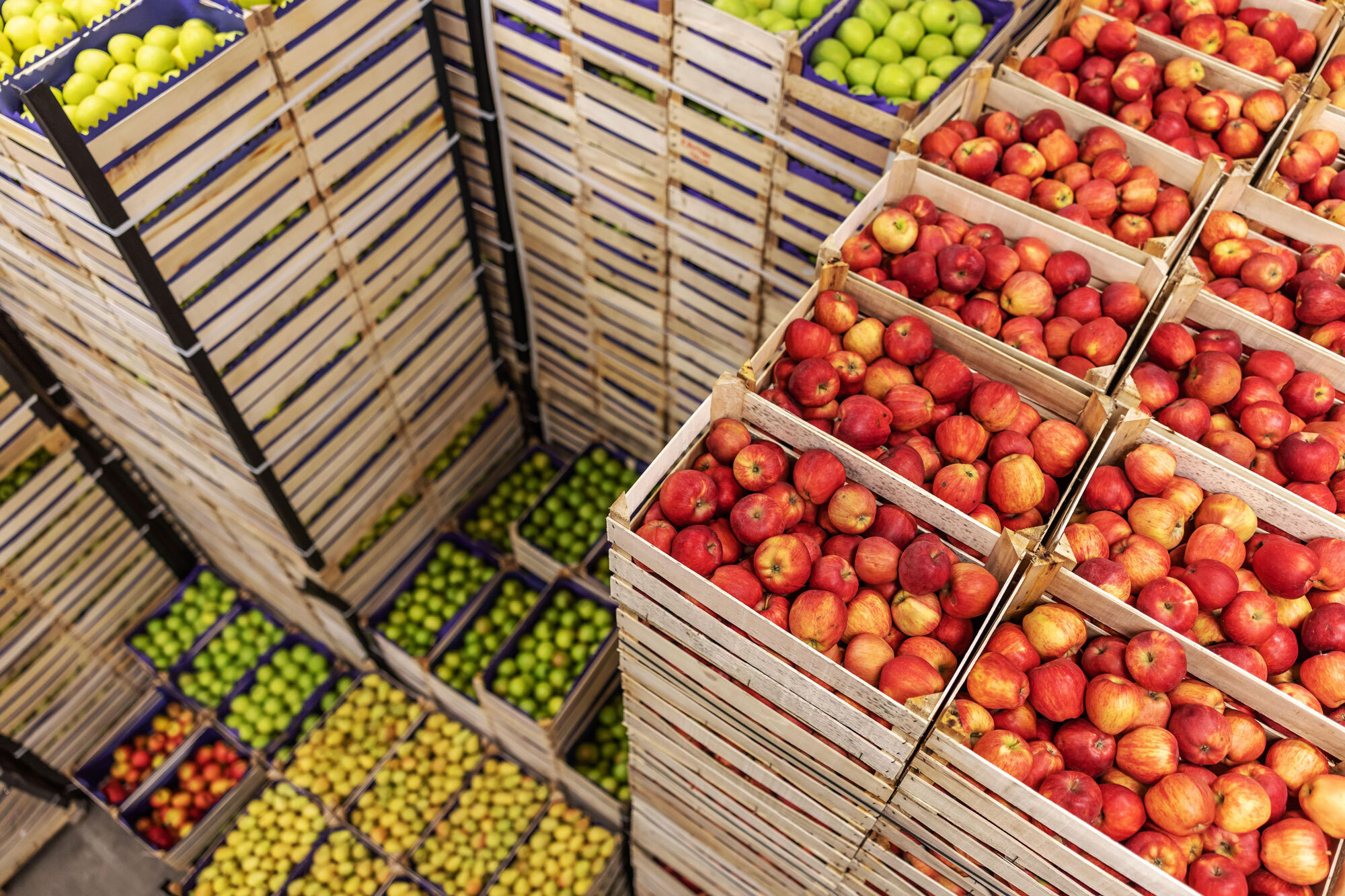
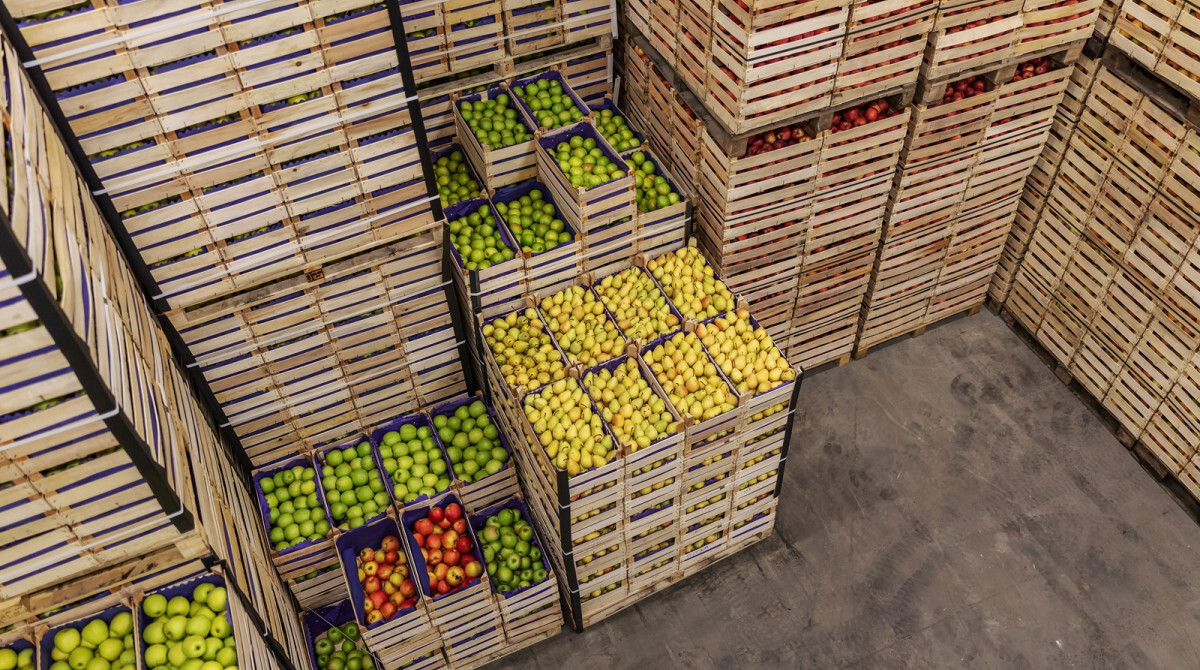
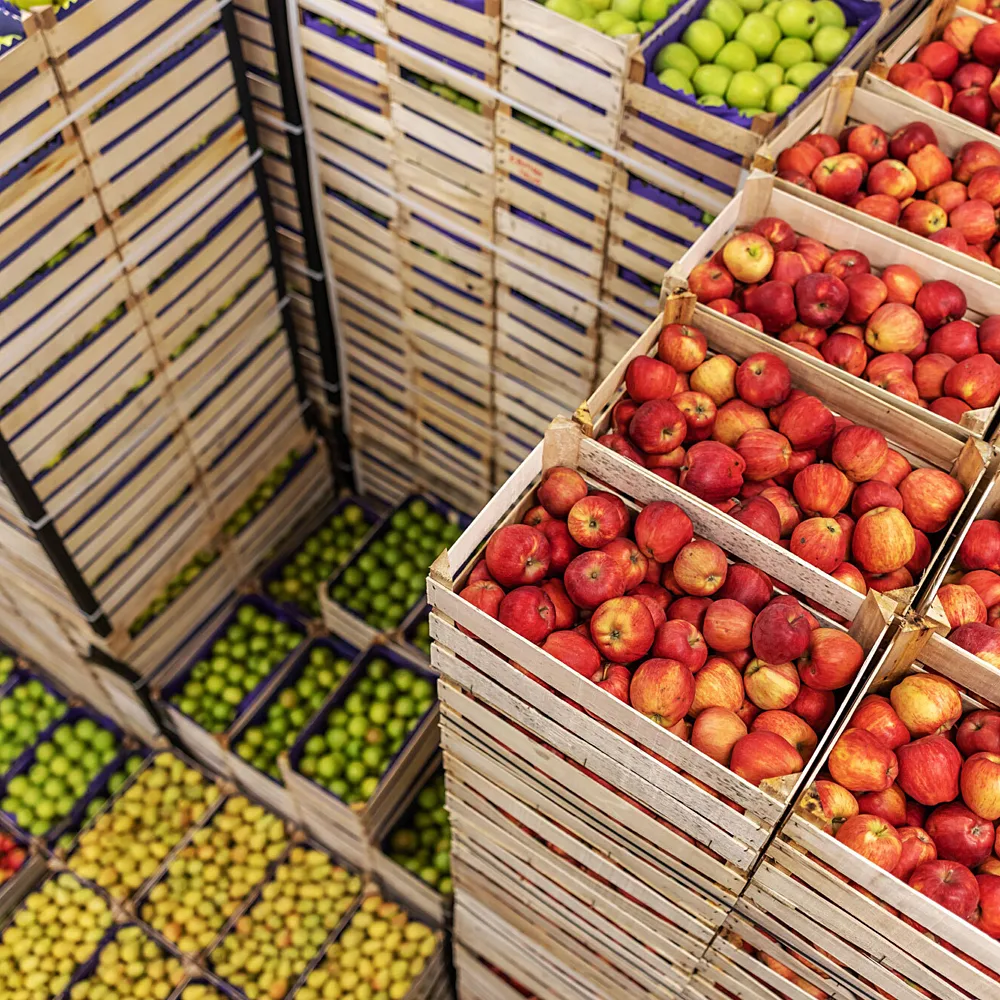
Cold chain systems are not simply a technical fix. They are a lifeline for food security, public health, and climate resilience.
ESG is more than compliance. It’s a lens for evaluating progress, risk, opportunity and most critically, legitimacy. We created SSAL with a clear conviction: Africa’s sustainable future must be told by Africans - authentically, accurately, and ambitiously.
by Sustainable Stories Africa
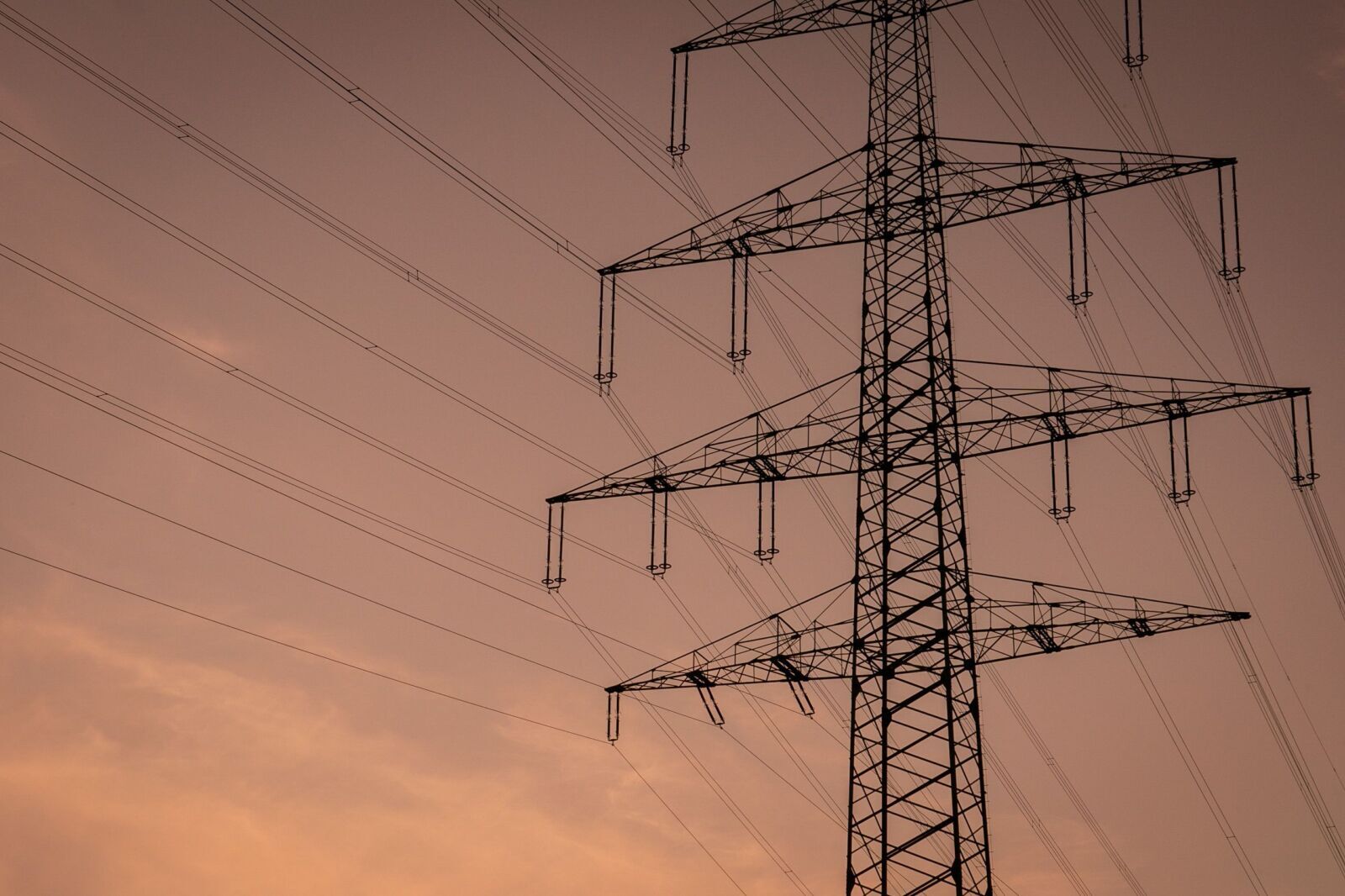
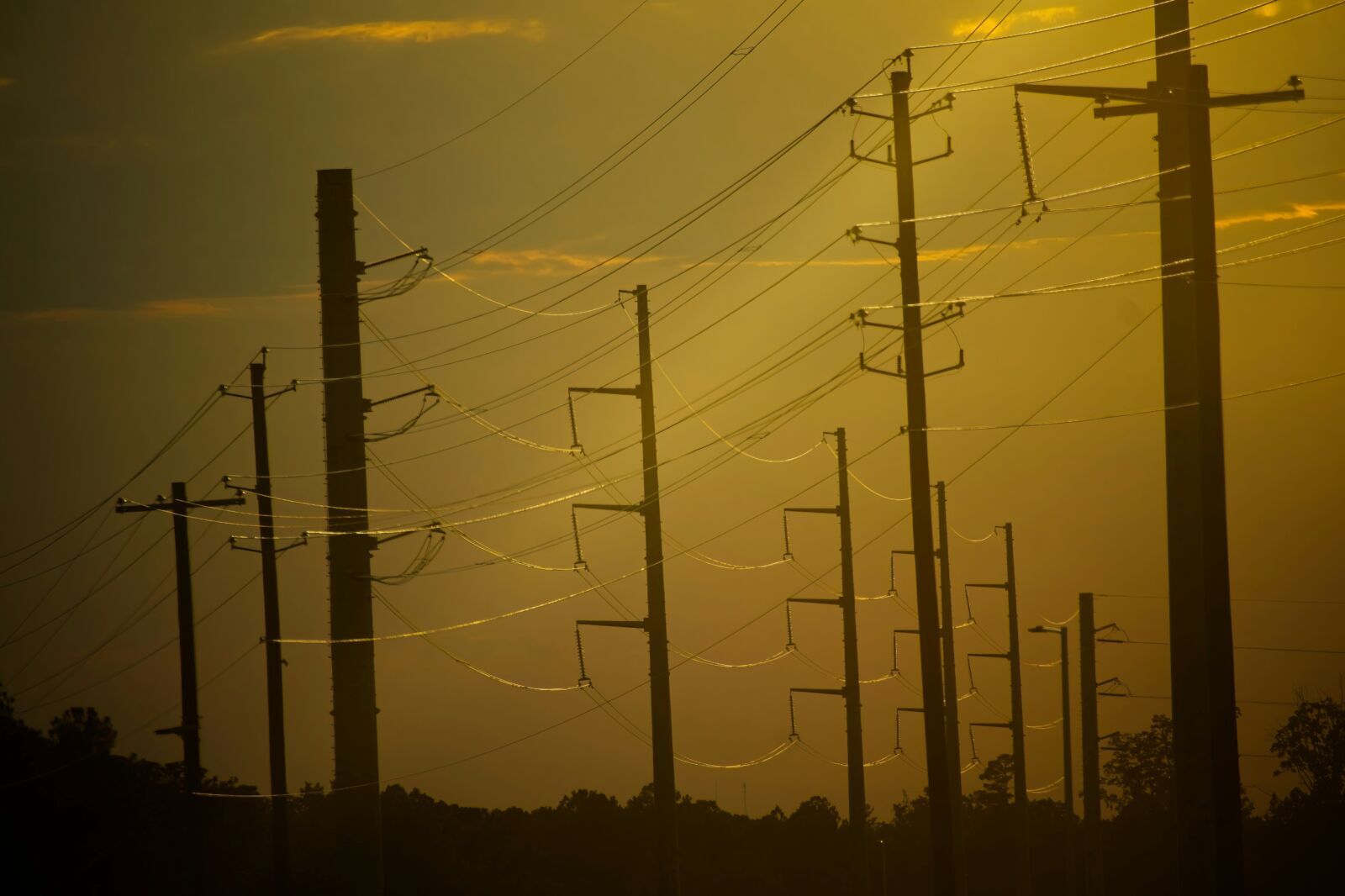
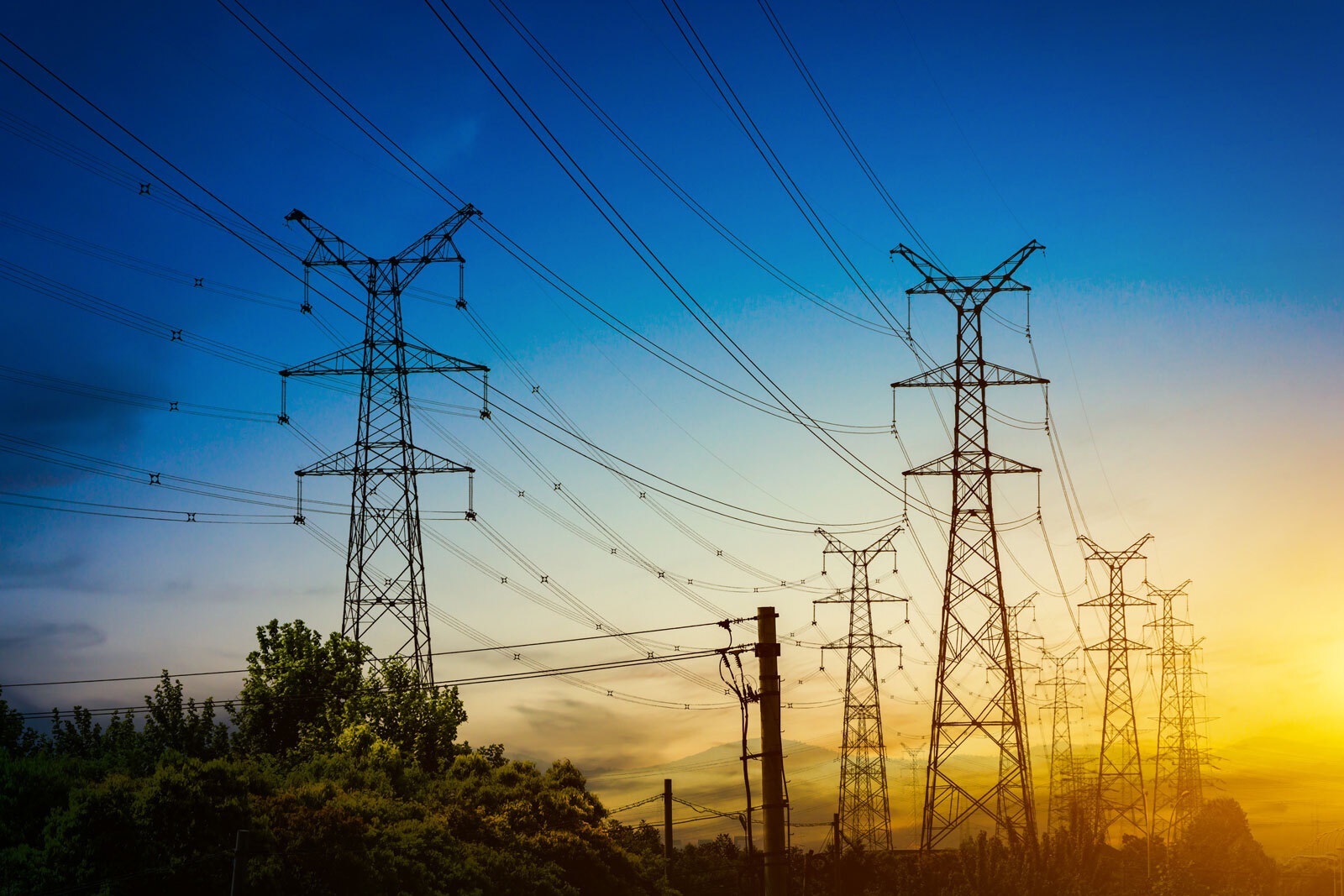
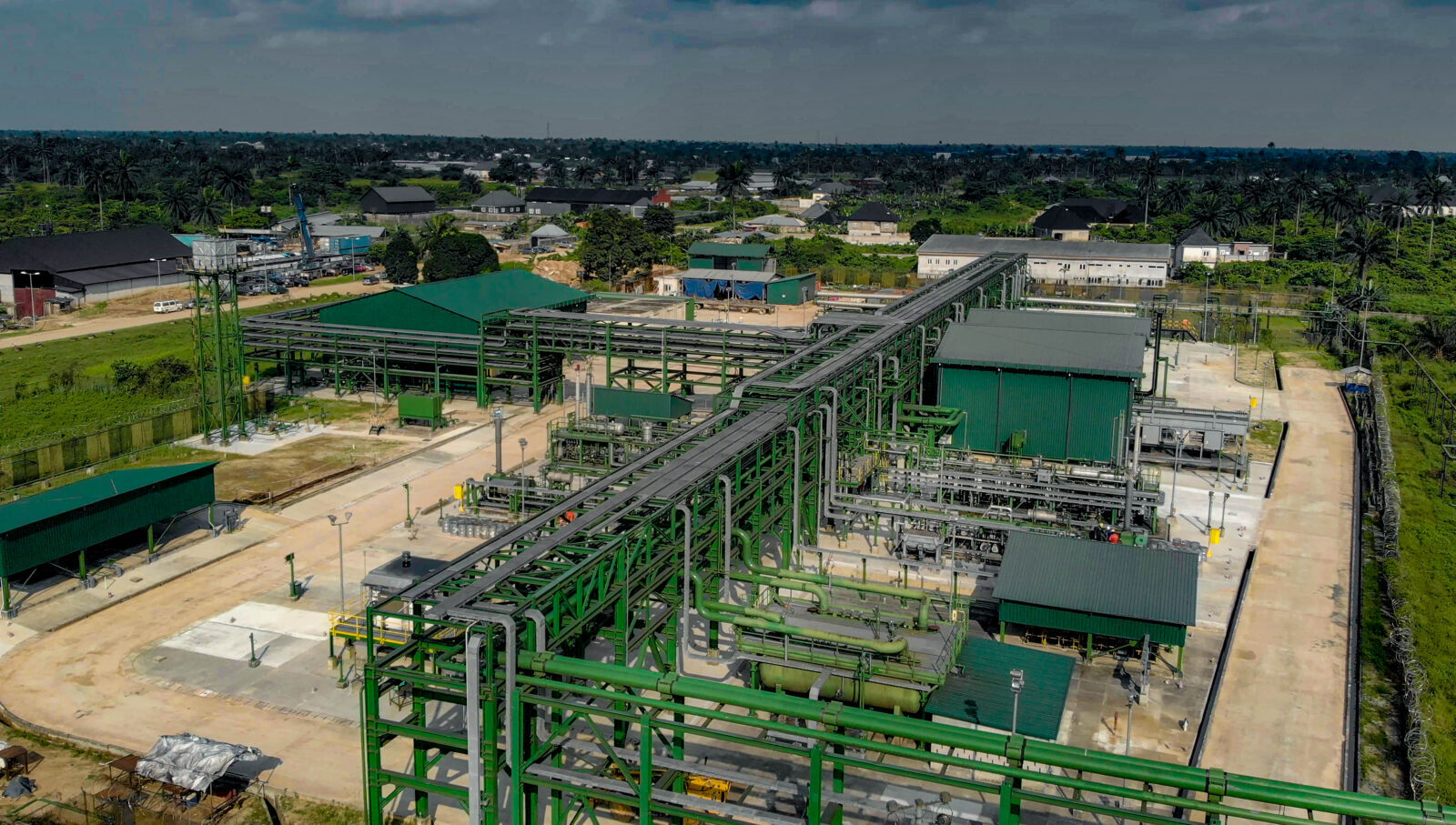
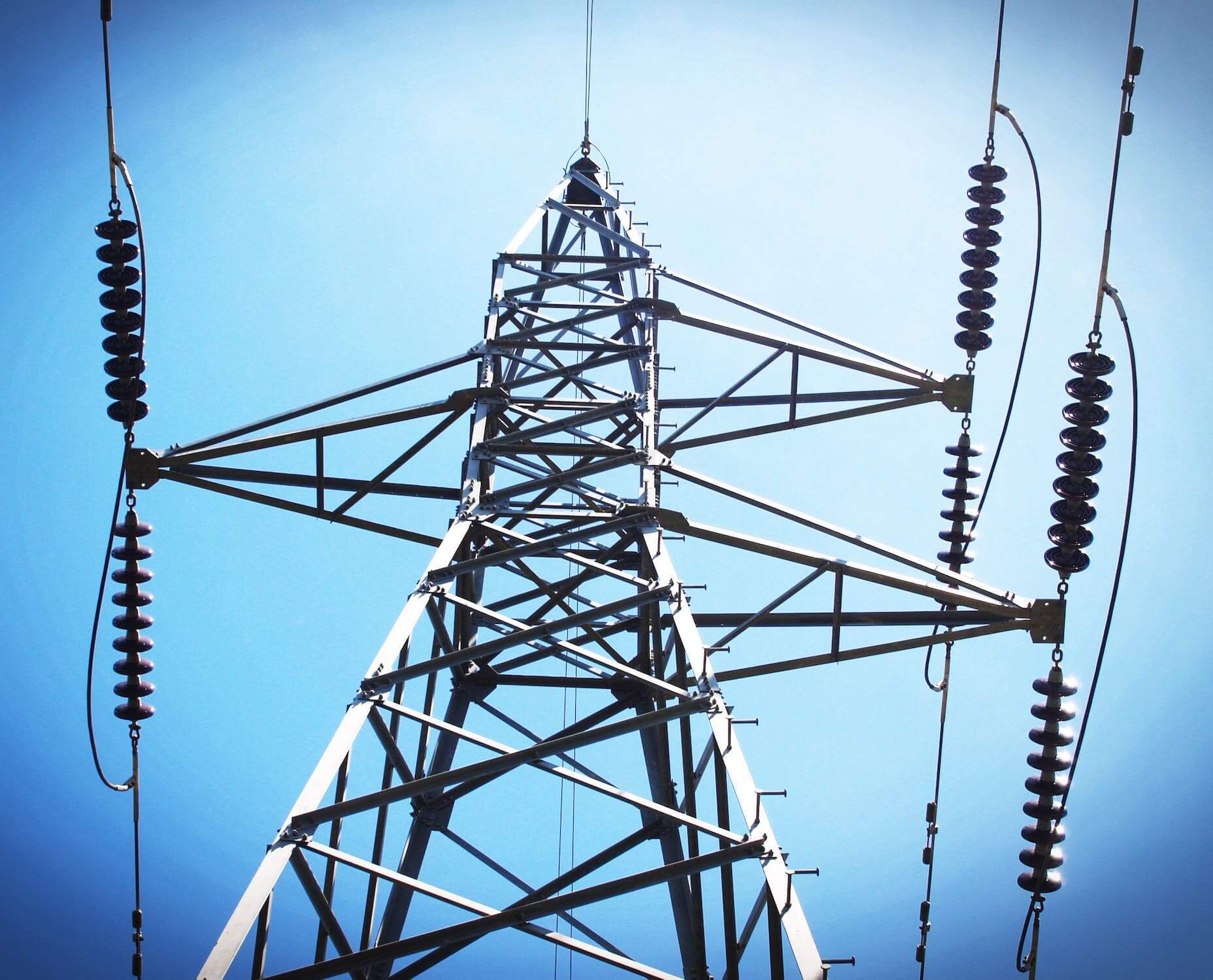
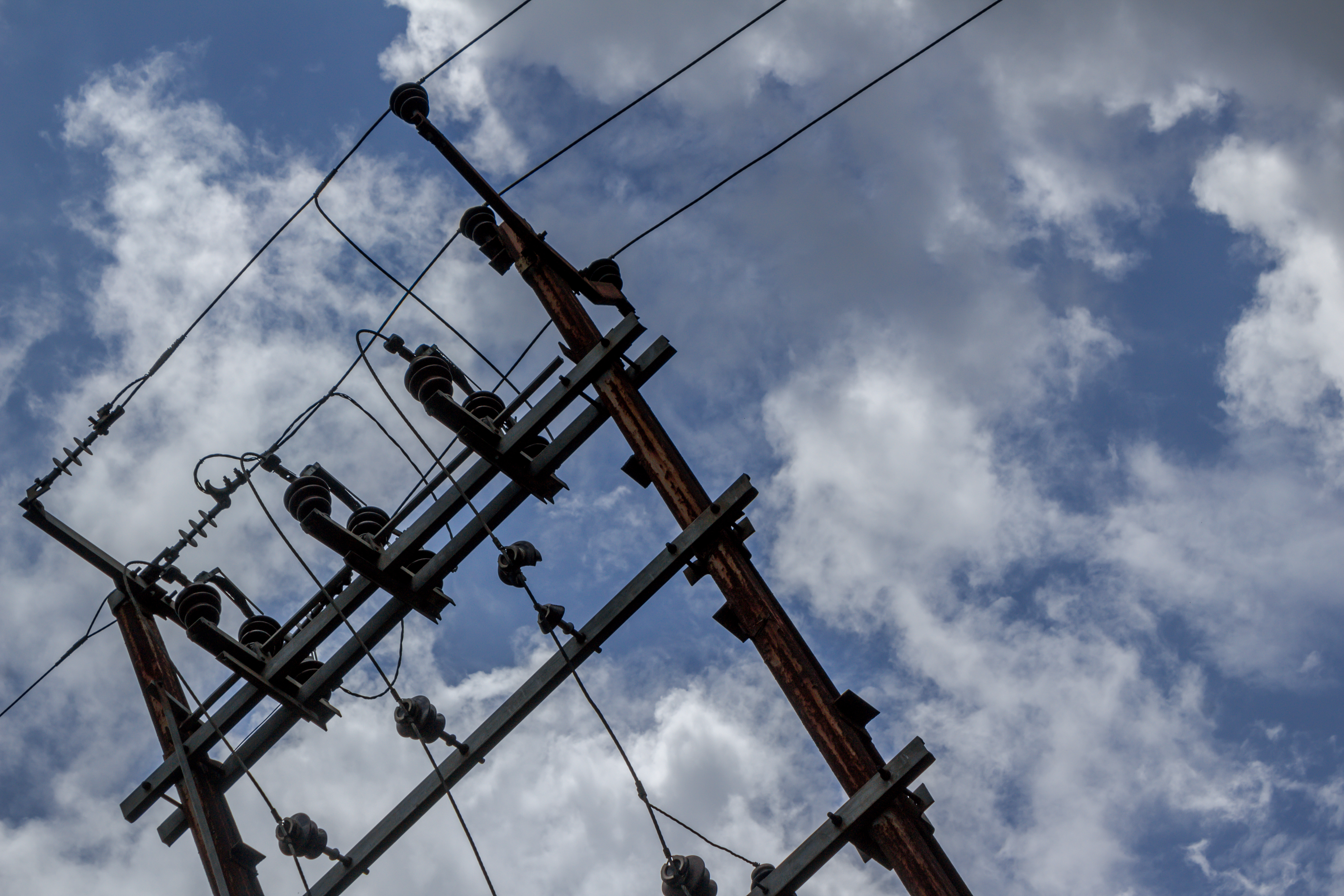
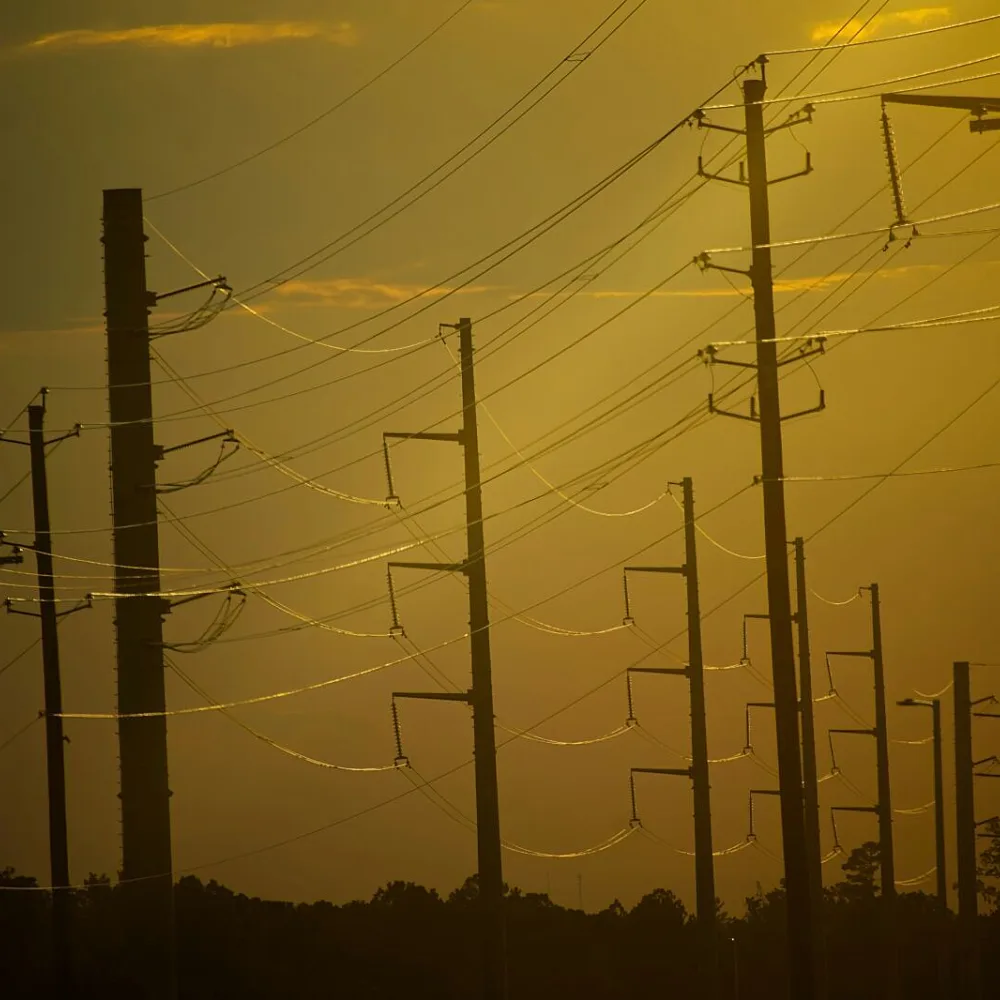
Nigeria's electricity system endures chronic outages despite hydrocarbon wealth, demanding strategic reforms in grid, regulation and investment to secure reliable, inclusive, climate-aligned power.
by Sustainable Stories Africa
Nigeria's Petroleum Industry Act (PIA) reforms CSR, taxation, and transparency to address Niger Delta environmental harm and community exclusion, testing enforcement and stakeholder cooperation.
by Sustainable Stories Africa
Ogoni women are excluded from Nigeria's HYPREP-led remediation despite bearing environmental harms; research shows governance, cultural norms, and communication barriers impede their participation.
by Sustainable Stories Africa
African founders confront market fragmentation, investor misalignment, talent constraints and emotional costs; the piece calls for clarity, systems and healthier founder cultures.
by Sustainable Stories Africa
Nigeria’s financial sector is reinventing itself through climate-smart strategies, data-driven innovation, and tech-enabled investments, as leaders from Stanbic IBTC and KPMG push banks and advisory firms to transform risk into resilience while creating sustainable value for society.
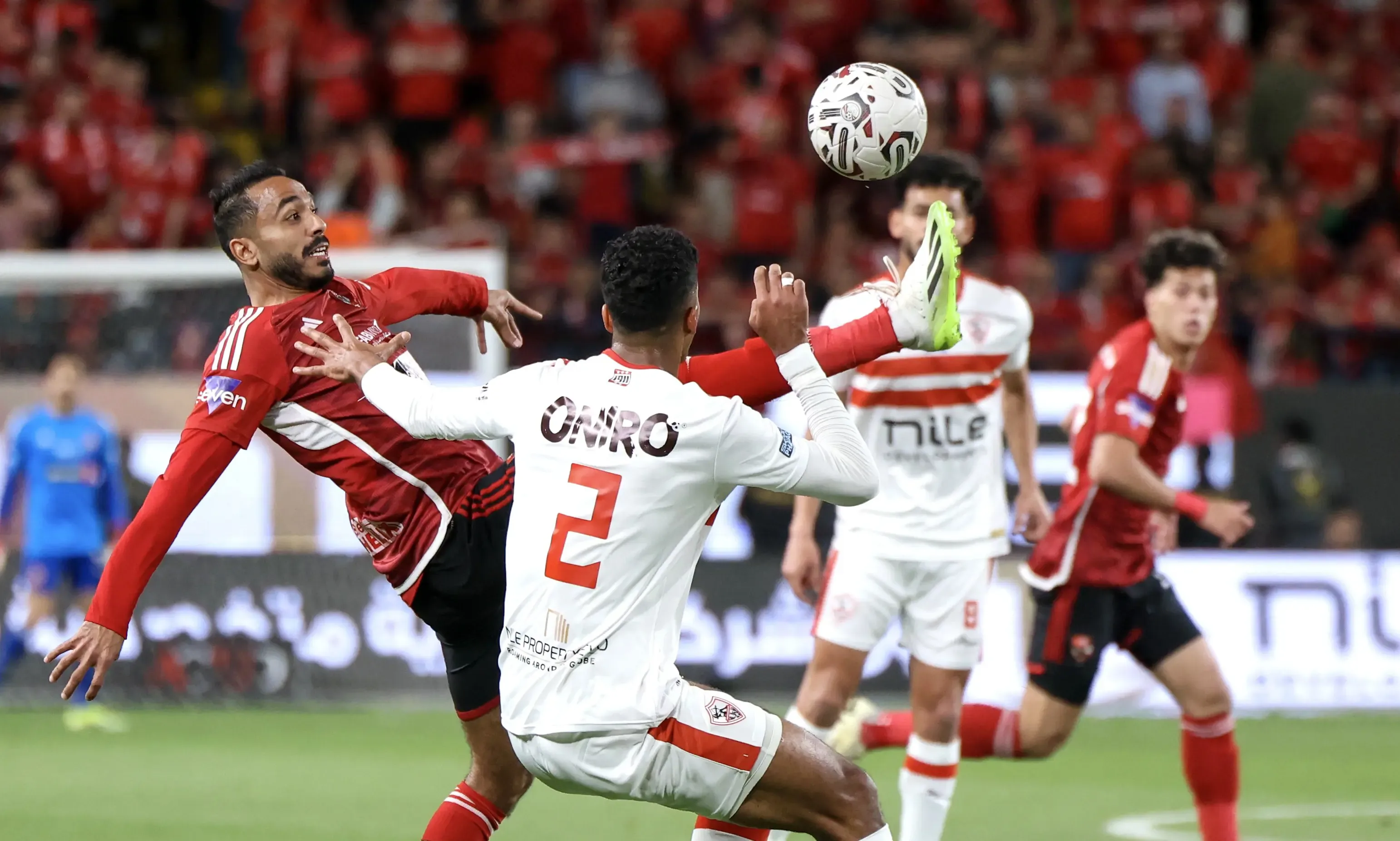
Across Africa, football derbies are more than games—they drive local economies, unite communities, and shape urban culture. From Lagos to Soweto, their impact is clear, but their full potential remains untapped. With smart investment and planning, these passionate events can fuel sustainable growth across the continent.
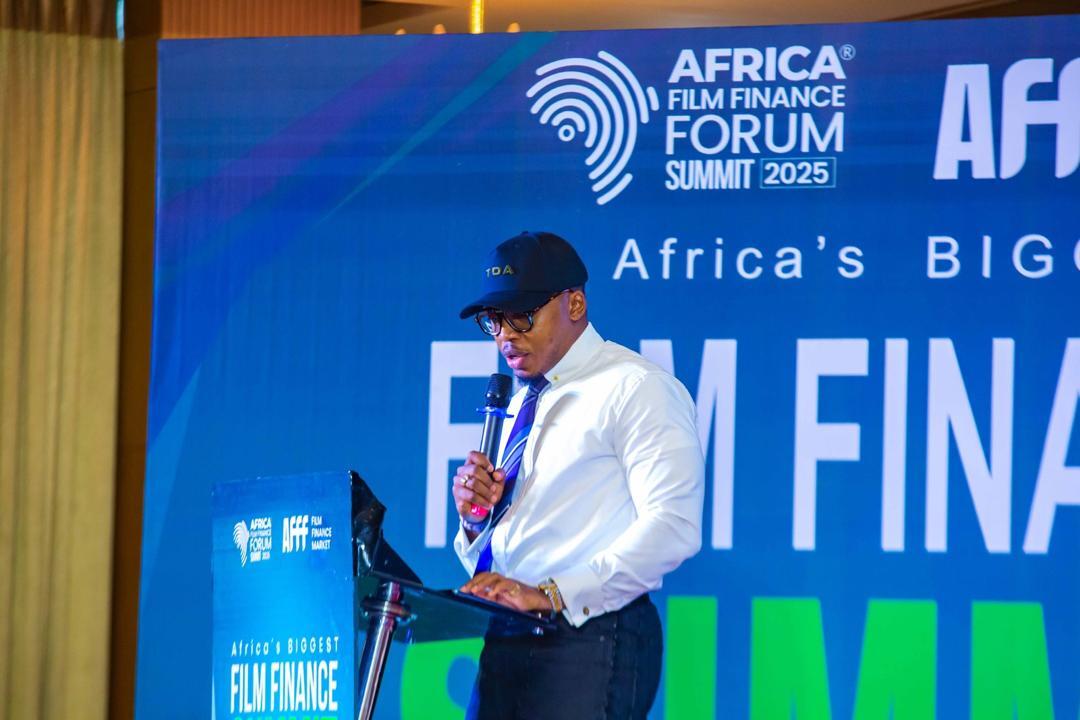
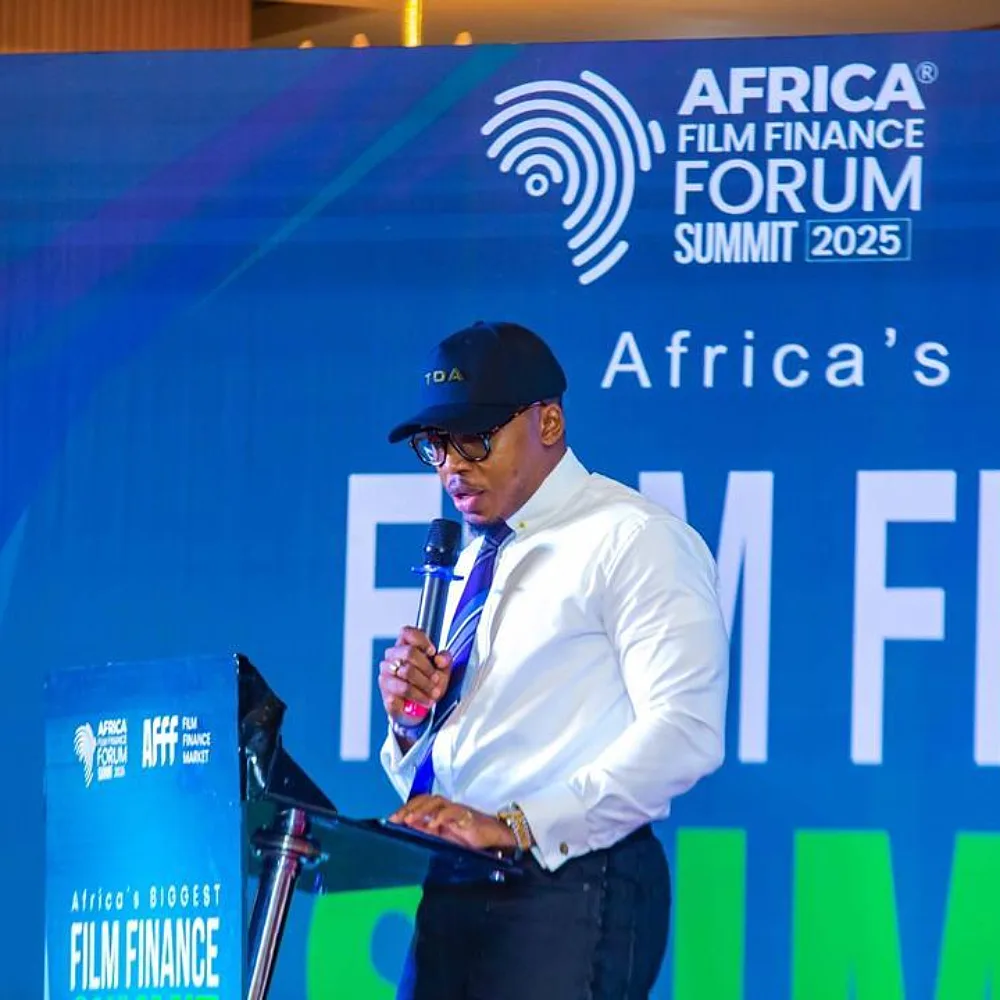
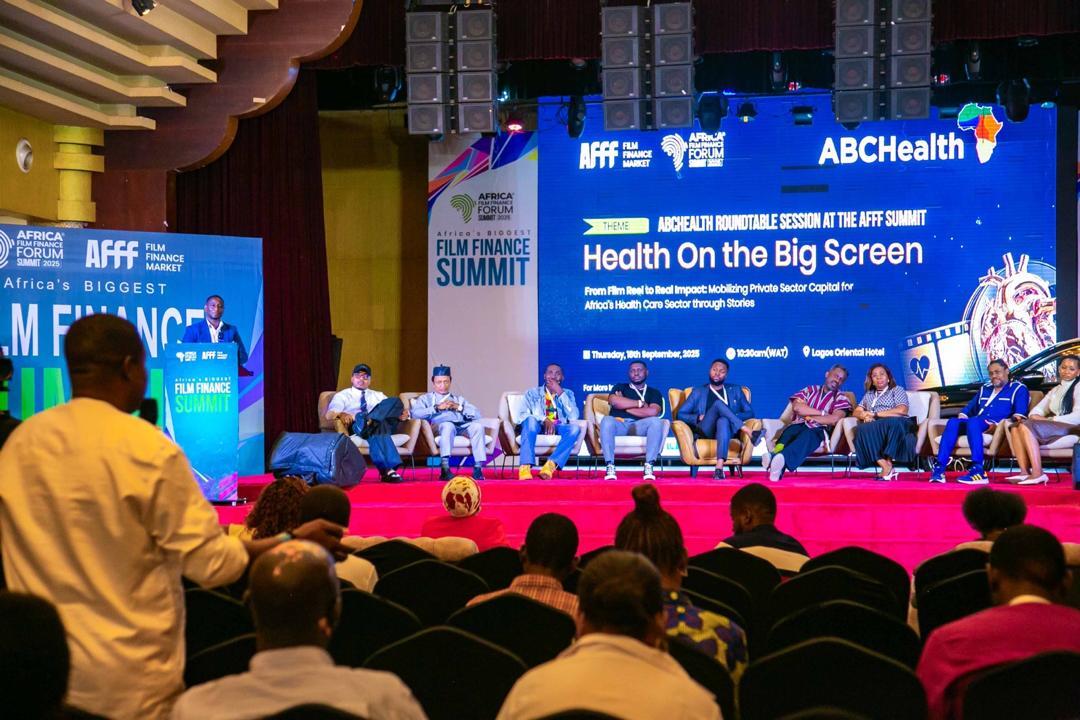
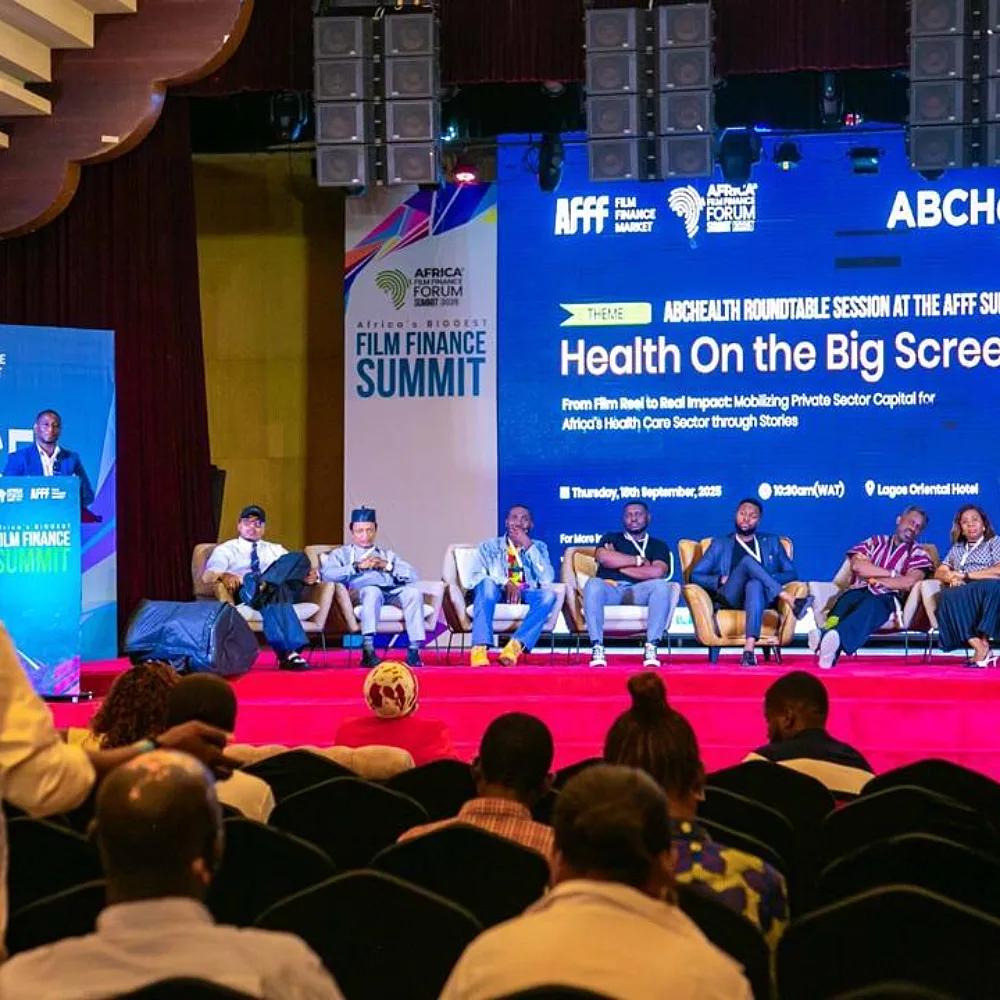
At the ABC Health session of the Africa Film Finance Forum, Omobolanle Victor-Laniyan and Dr. Chinonso Egemba showed how African cinema can move beyond awareness to mobilise private capital, reshape healthcare, and turn stories into investable solutions
Across Africa, football derbies are more than games—they drive local economies, unite communities, and shape urban culture. From Lagos to Soweto, their impact is clear, but their full potential remains untapped. With smart investment and planning, these passionate events can fuel sustainable growth across the continent.
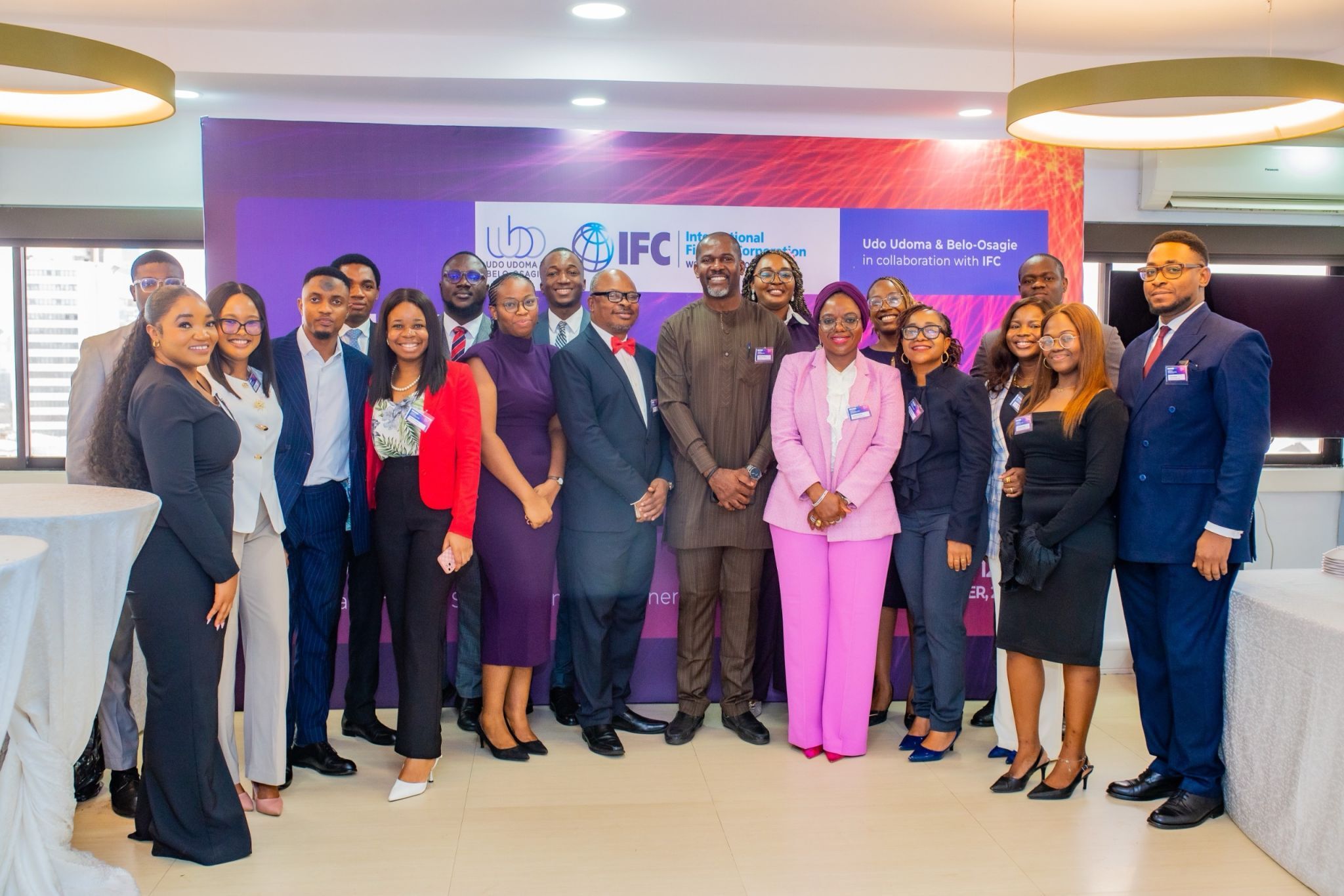
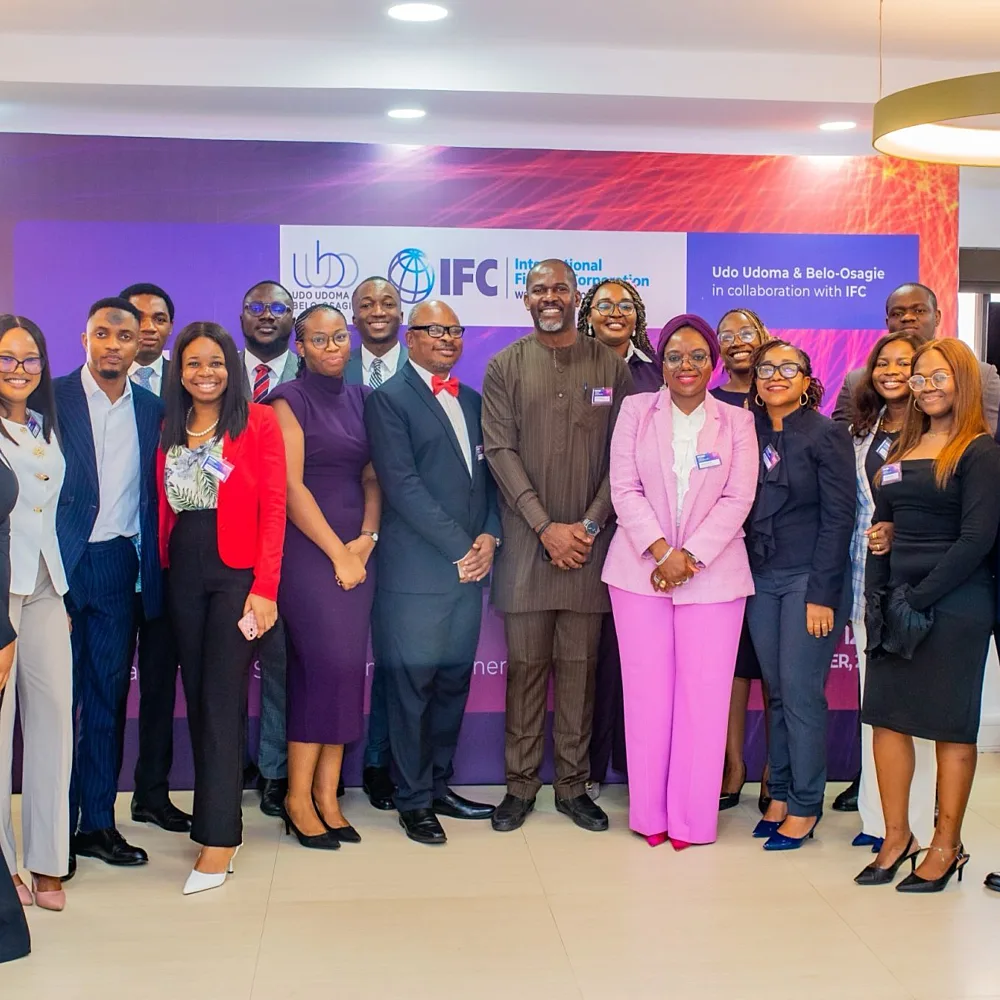
At UUBO’s Energy & Infrastructure Breakfast Session 2.0, sector leaders outlined how disciplined governance, local-currency finance, and scalable structures can unlock bankable renewable projects to power Nigeria’s clean energy future.
A 2023 study finds Nigerian firms prioritise community-focused CSR while green marketing and environmental integration remain limited by cost, infrastructure, and weak enforcement.

by Sustainable Stories Africa
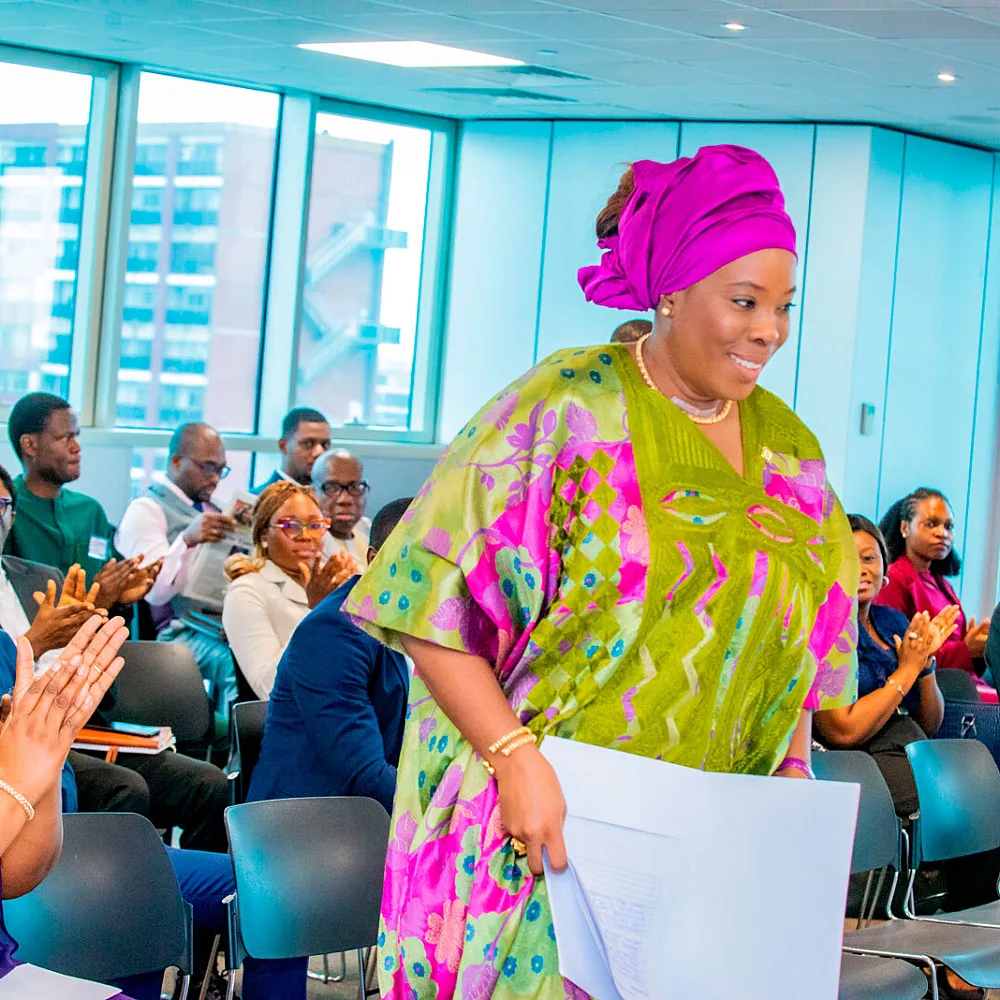
At UUBO ICE 2025, experts urged Nigerian firms to craft authentic, locally grounded ESG frameworks—focusing on proportionality, governance, and practical data—rather than copying foreign templates, to build resilience and credibility.
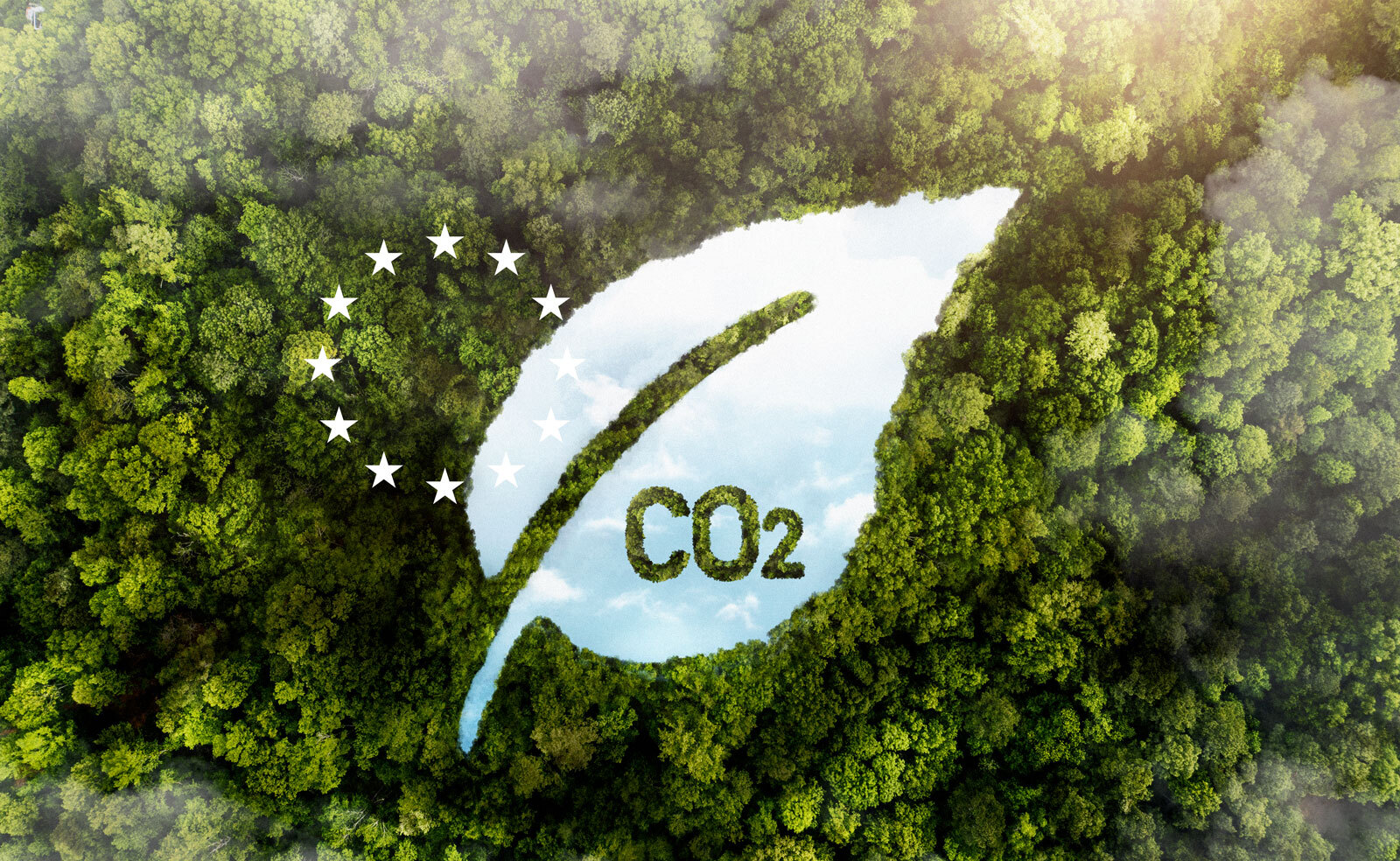
Africa’s exporters face a carbon reckoning as the EU’s 2026 CBAM reforms make carbon intensity a key trade factor, pushing industries to decarbonize, adopt renewable energy, and turn climate regulation into a driver of green competitiveness and industrial transformation
At UUBO’s Energy & Infrastructure Breakfast Session 2.0, sector leaders outlined how disciplined governance, local-currency finance, and scalable structures can unlock bankable renewable projects to power Nigeria’s clean energy future.
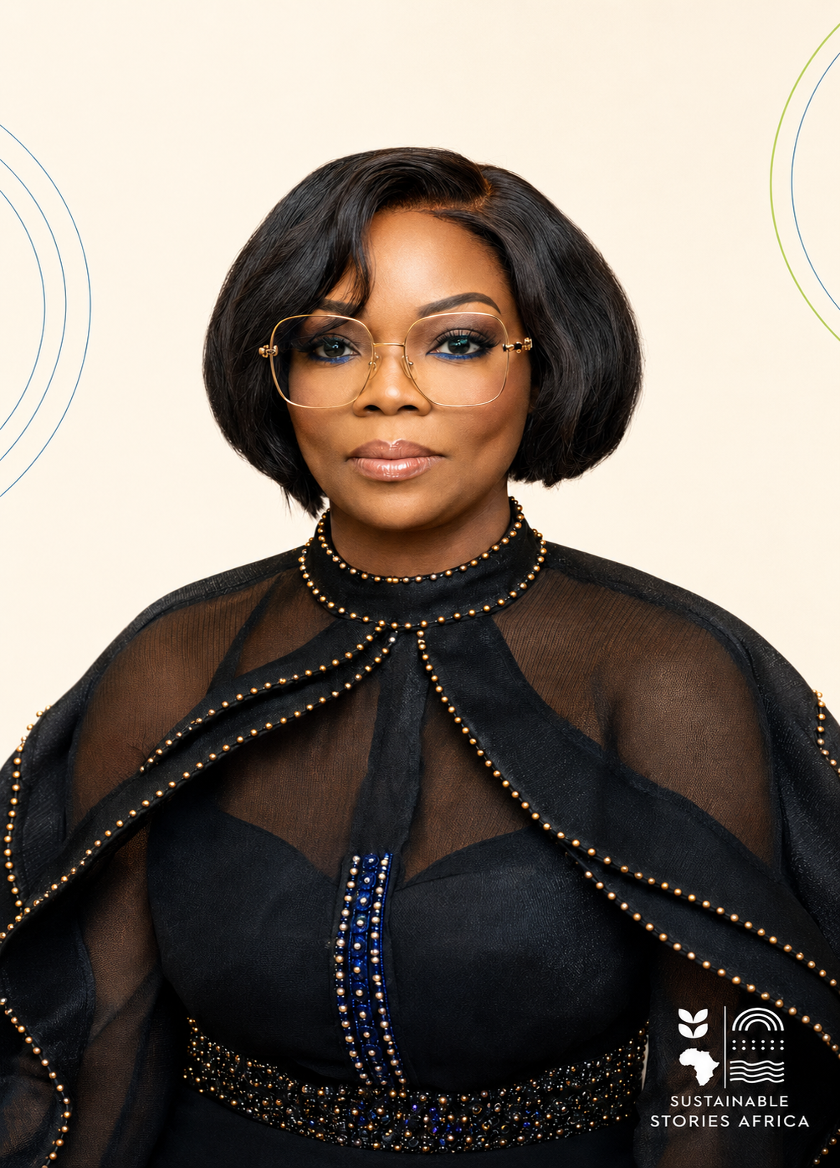
Forbes has named Damilola Ogunbiyi, CEO of SEforALL and UN Special Representative, to its 2025 Sustainability Leaders list, recognising her global impact in advancing energy access, climate action, and equitable development.
At UUBO ICE 2025, experts urged Nigerian firms to craft authentic, locally grounded ESG frameworks—focusing on proportionality, governance, and practical data—rather than copying foreign templates, to build resilience and credibility.
At the ABC Health session of the Africa Film Finance Forum, Omobolanle Victor-Laniyan and Dr. Chinonso Egemba showed how African cinema can move beyond awareness to mobilise private capital, reshape healthcare, and turn stories into investable solutions
Nigeria’s state-level electricity markets, enabled by the 2023 Electricity Act, are opening new frontiers for power investment—where patient capital, strong partnerships, and tailored local strategies are key to unlocking long-term opportunities.
Forbes has named Damilola Ogunbiyi, CEO of SEforALL and UN Special Representative, to its 2025 Sustainability Leaders list, recognising her global impact in advancing energy access, climate action, and equitable development.

Leaders argue that African films can turn empathy into investment by framing health care as both a market opportunity and a social imperative, mobilising private capital for long-term reform at the Africa Film Finance Forum.

Africa’s exporters face a carbon reckoning as the EU’s 2026 CBAM reforms make carbon intensity a key trade factor, pushing industries to decarbonize, adopt renewable energy, and turn climate regulation into a driver of green competitiveness and industrial transformation
Leaders argue that African films can turn empathy into investment by framing health care as both a market opportunity and a social imperative, mobilising private capital for long-term reform at the Africa Film Finance Forum.
Nigeria’s state-level electricity markets, enabled by the 2023 Electricity Act, are opening new frontiers for power investment—where patient capital, strong partnerships, and tailored local strategies are key to unlocking long-term opportunities.
Nigeria's electricity system endures chronic outages despite hydrocarbon wealth, demanding strategic reforms in grid, regulation and investment to secure reliable, inclusive, climate-aligned power.
Start typing to search...