

A McKinsey pulse survey finds most LNG buyers expect to change procurement strategy after disruption to transit through the Strait of Hormuz. Geographic diversification is the leading planned response.

Renewables Rising reports that at least 35 companies entered African markets during 2026 through varied forms of local presence. Recent examples include GoodWe and Exergy International opening offices in Nairobi.

A Kenyan draft payments law would allow customer account data, with consent, to be shared with licensed third parties. It would also give the central bank powers to require payment interoperability.

Kenya’s electricity regulator has replaced the fixed 15,000 kWh monthly ceiling in its e-mobility tariff framework with a consumption-threshold approach. The change targets growing fleets, charging depots and battery-swap operators.

The UN Global Compact has launched a Sustainable Procurement Implementation Framework to turn corporate commitments into purchasing practice. The voluntary resource covers governance, supplier engagement and performance measurement rather than replacing regulation.

Africa Go Green Fund has increased its debt commitment to Spiro by $18 million, bringing the fund’s total commitment to $36 million. The financing targets electric motorcycle deployment and battery-swapping infrastructure in Uganda and Rwanda.

Nigeria is preparing a device registry that would link mobile handsets’ IMEI identifiers with approval and import records. Regulators see a route to safer, more traceable phones; smaller traders fear extra cost and compliance barriers.

A study of solar farms near China’s Gobi Desert suggests panels can slow ground-level winds and reduce dust emissions. Its projections show larger benefits if installations expand substantially by 2060.

The Securities and Exchange Commission (SEC) has told public companies and significant public-interest capital market operators to submit plans for implementing IFRS sustainability standards by 15 October 2026.

A new GlobeScan survey finds that 83% of respondents in China believe artificial intelligence’s benefits outweigh its risks, compared with 48% in the United States. The divide matters as governments and businesses decide how quickly to deploy AI, and what safeguards the public will expect.

McKinsey advisers identify five recurring behaviour patterns that can slow organisational transformation before results deteriorate. They say chief executives have a direct role in aligning incentives, sharing information and increasing participation.

UN special adviser Ahunna Eziakonwa says African countries are increasingly shaping global agendas ahead of the 81st UN General Assembly. She identified governance reform, development finance, climate adaptation and industrialisation as priorities.

McKinsey places energy and sustainability technologies at the centre of the AI infrastructure story. Capital is available; however, renewable generation, storage and new computing facilities all compete for connections to constrained grids.

Enterprises are experimenting with agents that can plan and carry out multistep work. McKinsey reports widespread AI adoption; however, positive earnings impact remains far from universal.

AI coding agents can generate and revise software, but McKinsey’s 2026 technology outlook warns that producing more code does not equate to delivering better products.

The World Economic Forum’s 2026 Energy Transition Index shows near-stalled global progress, while sub-Saharan Africa records the greatest regional improvement. Better readiness from a low base, however, is not the same as reliable power.

Solar and onshore wind were cheaper than new fossil-fuel generation on a global-average basis in the UN’s 2025 assessment. Africa nevertheless held only 1.5% of installed renewable capacity worldwide at the end of 2024.

RE100 members reported 59% renewable electricity in its 2025 disclosure edition, up from 53% in the previous report. The initiative recognised only 43% after testing the detail and eligibility of claims.

Nigeria’s cloud policy promises an open, multi-provider market. A September 2026 legal analysis argues that the real test is whether customers can move their data, applications and spending when a better supplier appears.

A victim can sometimes trace a fraudulent payment to an account without knowing who controls it. Legal researchers argue that courts need a narrowly guarded route to the identifying information.

Global airport traffic rose slightly in the first half of 2026 before declining in the second quarter. Africa recorded the strongest first-half regional passenger growth, but high fares and constrained aircraft supply complicate the outlook.

Europe is enforcing AI law in stages. For companies supplying AI to European customers, the key question is which obligation applies to which system and when. An attached infographic names ten enforcement concepts.

McKinsey identifies 18 high-growth industries that could generate $29 trillion to $48 trillion in revenue by 2040. They offer insurers new customers and unfamiliar, potentially severe losses.

The Sustainable Stories Africa editorial team and board review of Daré Awoyinfa’s paper: one conclusion stands out: Qatar 2022 accelerated national development, but it also deepened reliance on state-led mega-events.

At N525 a share, the Dangote Petroleum Refinery offer opens public ownership in a strategically important African industrial asset. It also asks investors to accept a valuation shaped by unusually strong recent margins, concentrated control and a vast expansion still to be funded.

Nigeria knows how to count buildings, debt, production and investment. It is less practised at counting the forests, wetlands, soils, watersheds and biodiversity that make economic activity possible.

Nigeria’s financial-sector recapitalisation has created a rare abundance of capital across banking, pensions and insurance. However, capital raised is not the same as capital productively deployed.

Africa is advancing on 12 of the 17 Sustainable Development Goals; however, only 2 of 46 measurable targets reviewed in the 2025 Africa Sustainable Development Report are on track to meet the 2030 objectives.

By 2050, one in four people globally will be African, and the continent’s working-age population is expected to double.

The Future Action Summit (FAS) Thailand 2025, organized by the global youth-led organization Echo Change, is a four-day international summit distinct from the UN's "Summit of the Future" that convened in September 2024. FAS Thailand is specifically designed as a launchpad for youth-led action, driving tangible progress towards the United Nations Sustainable Development Goals (SDGs).
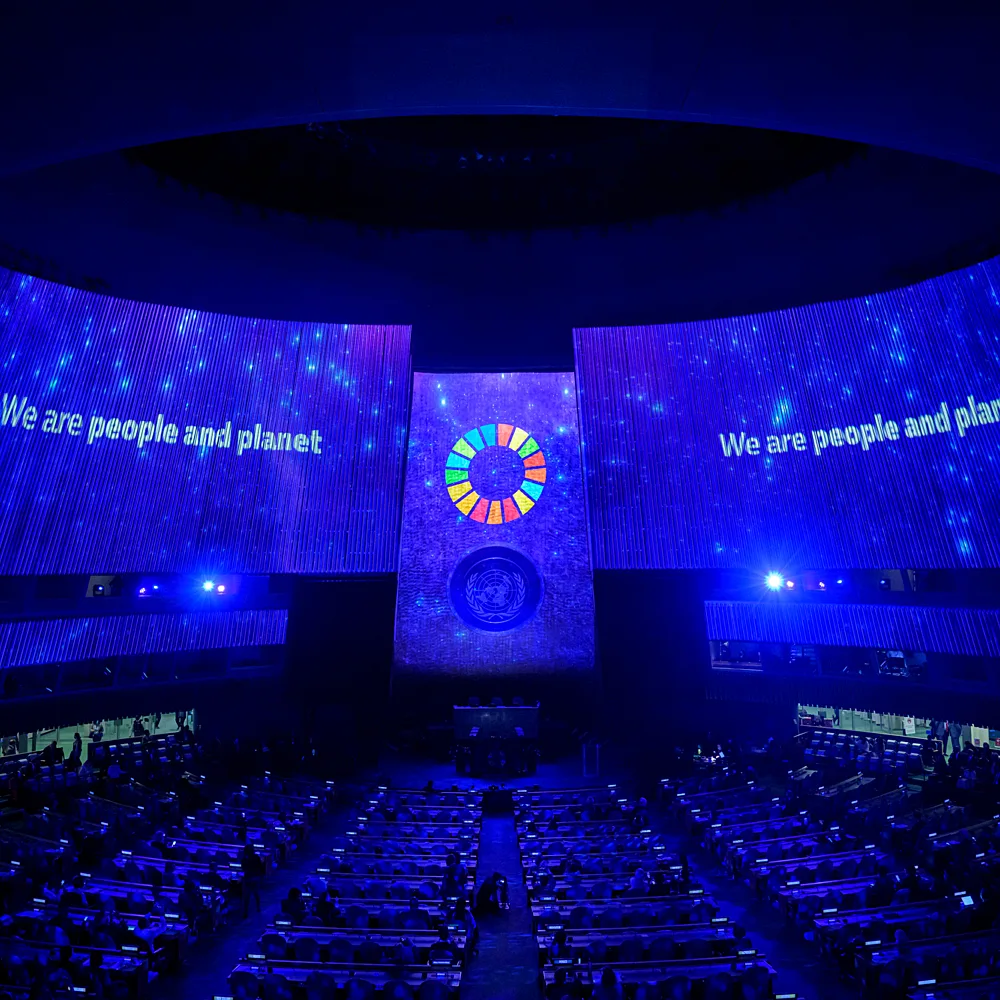
New York City hosts the UNGA High-Level Week and Global Goals Week, bringing together world leaders, civil society, business, academia, and youth with a unified focus on accelerating progress towards the Sustainable Development Goals (SDGs) and fostering a more sustainable future.

ICSD 2025 brings together global experts to align research, policy, and practice around key SDGs. Focused on interdisciplinary solutions, with emphasis on education and capacity and building for sustainable progress by 2030.
The largest global climate convening of the year, aligning with UNGA 80 and Global Goals Week to accelerate climate solutions through over 900 events; with an am of shifting climate discourse from problem awareness to practical implementation, emphasising economic opportunity, innovation, and cross-sector collaboration.
A quadrennial global gathering of conservation leaders, policy‑makers, Indigenous Peoples, and innovators, convening to shape the global nature agenda through bold themes, science, equity, and collective action.
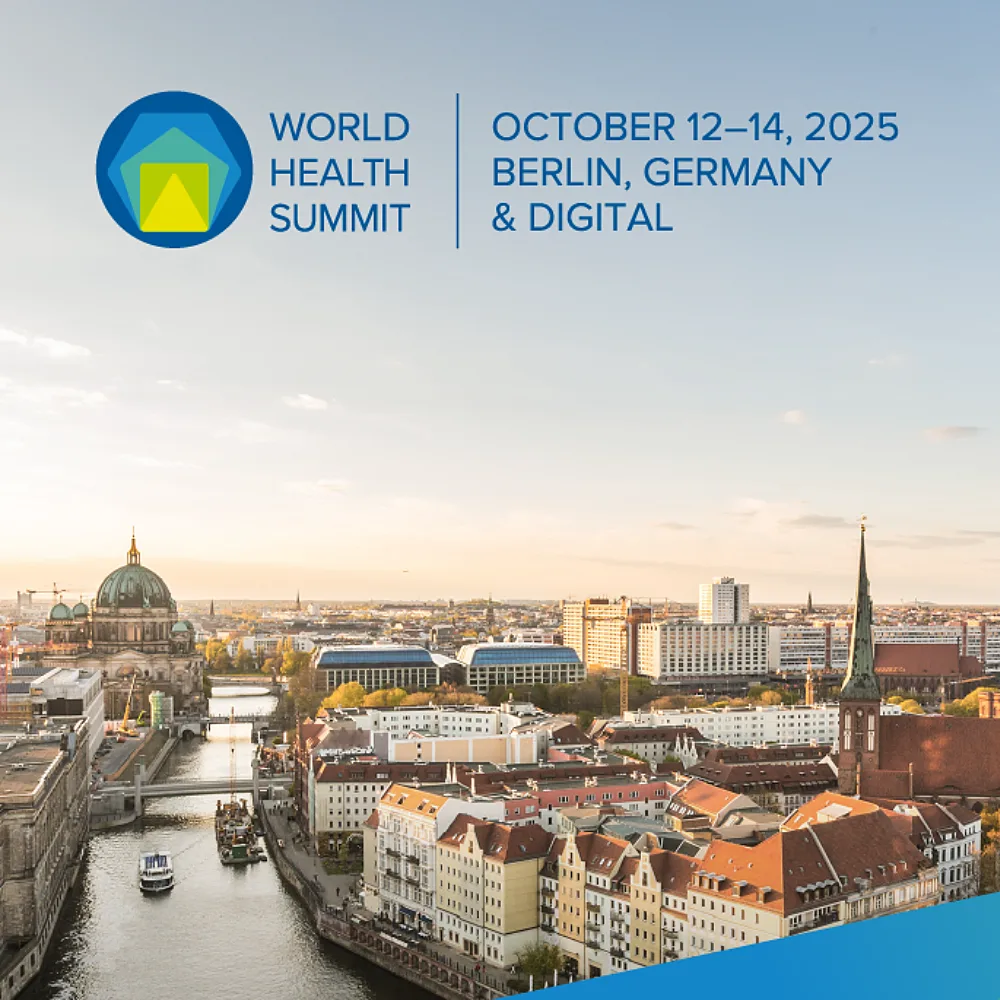
A premier annual gathering in Berlin, bringing together global leaders across politics, science, business, and civil society to shape the future of health under the theme “Taking Responsibility for Health in a Fragmenting World.”

A dynamic one-day festival uniting global innovators and leaders in Vienna to showcase and accelerate climate‑tech solutions—from startups to researchers—culminating in the Climate Launchpad 2025 Global Grand Final.
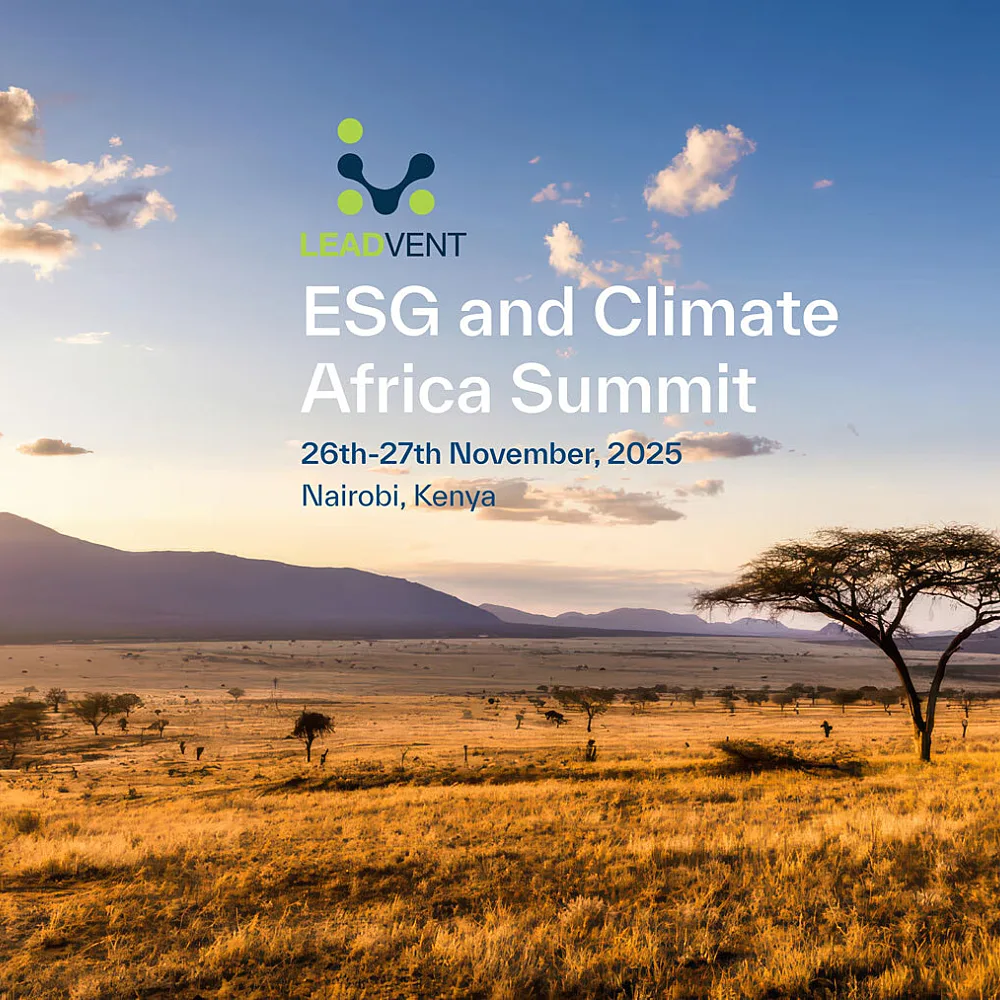
Bringing together Africa’s sustainability ecosystem. This hybrid gathering is tailored for policymakers, investors, corporate leaders, and NGOs, focusing on ESG frameworks, climate finance, and sustainable innovation to drive Africa’s green transition.
Summary and evidence-based insights into corporate, government, and organisational sustainability disclosures across Africa, highlighting achievements, uncovering gaps, and spotlight opportunities for progress.


